Brain Cancer Awareness—Know the Signs, Share the Facts
Brain Cancer Awareness is about more than a diagnosis—it’s about education, early detection, and support for those impacted. Although brain
December 21-22, 2024 – Closed
December 23-24, 2024 – Open 8:00 AM – 5:00 PM
December 25, 2024 – Closed
December 26-27, 2024 – Open 8:00 AM – 5:00 PM
December 28-29, 2024 – Closed
December 30-31, 2024 – Open 8:00 AM – 5:00 PM
January 1, 2024 – Closed
January 2-3, 2024 – Open 8:00 AM – 5:00 PM
As of the afternoon of January 23, 2025, our phones are operational. Thank you for your patience as our phone provider experienced a national outage that impacted our phone services on the afternoon of January 22 and the morning of January 23.
Cancer is a word that carries immense weight, affecting millions of lives every year. While it’s true that some risk factors are beyond our control, such as genetics, there are many ways we can actively reduce our risk of developing cancer. By making healthier choices in our daily lives, we can significantly lower our chances of encountering this devastating disease.
Nourish Your Body with a Balanced Diet
What we eat has a profound impact on our overall health. A diet rich in fruits, vegetables, whole grains, and lean proteins can help protect against various types of cancer. Limiting processed foods, red meat, and sugary beverages can also make a big difference. Small dietary changes, like swapping out chips for a handful of nuts or choosing grilled chicken over fried, can add up to major benefits over time.
Get Moving: Physical Activity Matters
Regular physical activity is another crucial component of cancer prevention. Exercise helps maintain a healthy weight, improves immune function, and reduces inflammation—all of which are important in lowering cancer risk. Moderate activities like walking, gardening, or dancing can contribute to a healthier lifestyle. Aim for at least 150 minutes of moderate-intensity exercise each week, and remember, every step counts!
Say No to Tobacco
Tobacco use is the leading cause of cancer and cancer-related deaths. Quitting smoking or avoiding tobacco altogether is one of the most effective ways to protect yourself from cancer. The benefits of quitting are almost immediate—within minutes, your body begins to repair itself, and over time, your risk of developing cancer drops significantly. If you’re struggling to quit, seek support from friends, family, or a healthcare professional.
The Power of Small Changes
It’s important to recognize that small, consistent changes can have a huge impact on your health. Whether it’s choosing an apple over a candy bar, taking the stairs instead of the elevator, or deciding to quit smoking, every positive decision contributes to reducing your cancer risk.
Stay Informed and Spread the Word
Knowledge is power, especially when it comes to cancer prevention. Stay informed about the latest research and recommendations on healthy living. Share this information with your loved ones—your family, friends, and community—so that they too can take steps towards a healthier future.
Remember, the choices you make today can help you live a longer, healthier life.

Brain Cancer Awareness is about more than a diagnosis—it’s about education, early detection, and support for those impacted. Although brain

Gynecologic cancers include cancers of the cervix, ovaries, uterus, vulva, and vagina. Awareness and regular screening can make a life-saving

February is a time to recognize the caregivers who stand beside patients through every stage of cancer care. From diagnosis

Family history plays a critical role in understanding your risk of breast cancer. Open discussions with both your family and

March is Colorectal Cancer Awareness Month, a time to highlight the importance of screening, prevention, and early detection. Colon cancer

Colorectal cancer is one of the most common cancers, yet it is also one of the most preventable and treatable

Breast cancer is one of the most common cancers affecting women worldwide. Early detection can significantly improve treatment outcomes, so

Chronic joint and tissue pain affects millions of people, often limiting mobility, diminishing quality of life, and making even simple daily activities feel like a challenge. While surgery and long-term medication have traditionally been the go-to solutions, many patients are seeking alternatives that are less invasive and more sustainable.
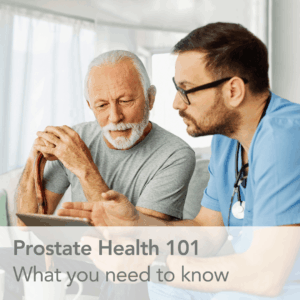
Prostate health is a vital yet often overlooked aspect of men’s overall well-being. As men age, the prostate, a small gland located below the bladder, can become more susceptible to conditions such as benign prostatic hyperplasia (BPH), prostatitis, and prostate cancer. Understanding the importance of prevention, early detection, and healthy habits can empower individuals to take proactive steps toward long-term health.

Learn about prostate cancer risks, symptoms, and when to get screened.
LAFAYETTE, LA — August 1, 2026 — OncoLogics, a premier provider of advanced cancer care across the Acadiana region, today announced a new collaboration with JointGlow to offer low-dose radiotherapy (LDRT) to patients suffering from chronic musculoskeletal pain, osteoarthritis and inflammatory tissue disorders. LDRT is an FDA-cleared, highly effective, non-invasive joint pain treatment option offering patients long-term relief without surgery or steroids.
Lafayette, La. — May 27, 2026 — OncoLogics today announced the installation and launch of a next-generation radiation therapy platform at its Our Lady of Lourdes location, further strengthening access to sophisticated cancer treatment technology for patients across Lafayette and Acadiana.