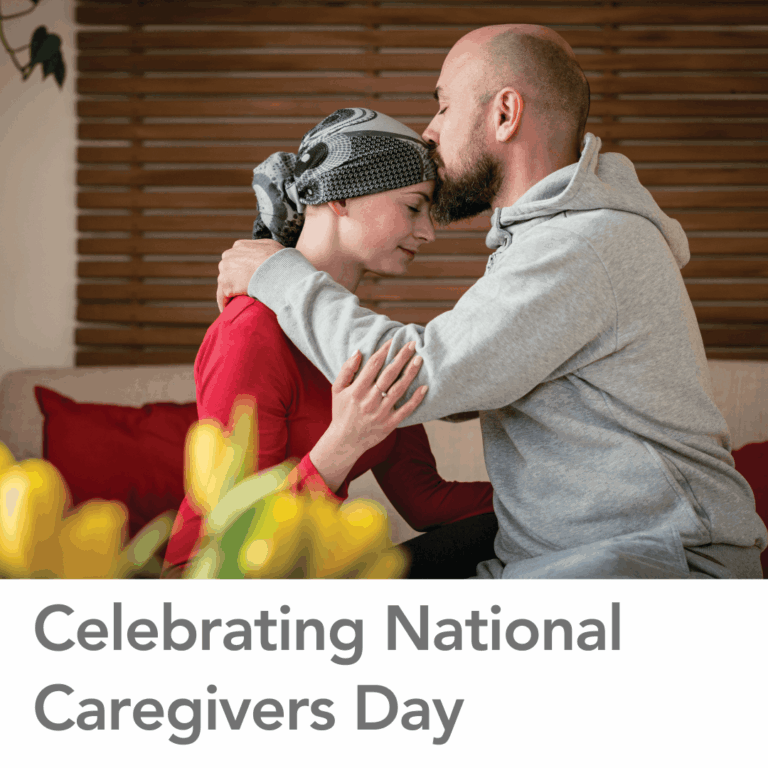
February is a time to recognize the caregivers who stand beside patients through every stage of cancer care. From diagnosis to treatment and beyond, caregivers provide emotional support, practical help, and steady encouragement during some of life’s most difficult moments.
Behind every appointment, every treatment day, and every milestone, there is often a spouse, child, sibling, friend, or neighbor offering strength and reassurance.
The Role of a Caregiver in Cancer Care
Caregivers often:
Attend appointments and help ask important questions
Assist with medication schedules and treatment coordination
Provide transportation and daily support
Offer emotional encouragement and stability
Help navigate insurance and healthcare logistics
Their presence can make a significant difference in a patient’s experience and outcomes.
Supporting the Supporters
While caregivers focus on others, it’s important that they care for themselves as well. Taking time to rest, seek support, and ask for help when needed allows caregivers to remain strong and steady throughout the journey.
At our cancer center, we recognize caregivers as essential members of the care team. We encourage open communication, questions, and shared decision-making so everyone feels informed and supported.
A Shared Journey
Cancer care is never a solo experience. It is a shared path walked together — by patients, families, physicians, nurses, and support staff. This February, we extend our gratitude to caregivers everywhere. Your compassion, resilience, and quiet strength make a lasting difference.
The Role of a Caregiver in Cancer Care
Caregivers often:
Attend appointments and help ask important questions
Assist with medication schedules and treatment coordination
Provide transportation and daily support
Offer emotional encouragement and stability
Help navigate insurance and healthcare logistics
Their presence can make a significant difference in a patient’s experience and outcomes.
Supporting the Supporters
While caregivers focus on others, it’s important that they care for themselves as well. Taking time to rest, seek support, and ask for help when needed allows caregivers to remain strong and steady throughout the journey.
At our cancer center, we recognize caregivers as essential members of the care team. We encourage open communication, questions, and shared decision-making so everyone feels informed and supported.
A Shared Journey
Cancer care is never a solo experience. It is a shared path walked together — by patients, families, physicians, nurses, and support staff. This February, we extend our gratitude to caregivers everywhere. Your compassion, resilience, and quiet strength make a lasting difference.
If you or someone you love is navigating a cancer diagnosis, our team is here to provide guidance and support at every step.