
Leukemia & Lymphoma Awareness
September is a pivotal month in cancer awareness, shining a spotlight on leukemia and lymphoma. We are dedicated to providing

December 21-22, 2024 – Closed
December 23-24, 2024 – Open 8:00 AM – 5:00 PM
December 25, 2024 – Closed
December 26-27, 2024 – Open 8:00 AM – 5:00 PM
December 28-29, 2024 – Closed
December 30-31, 2024 – Open 8:00 AM – 5:00 PM
January 1, 2024 – Closed
January 2-3, 2024 – Open 8:00 AM – 5:00 PM
As of the afternoon of January 23, 2025, our phones are operational. Thank you for your patience as our phone provider experienced a national outage that impacted our phone services on the afternoon of January 22 and the morning of January 23.
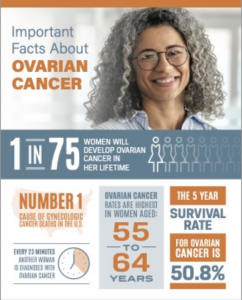
Ovarian cancer begins in the ovaries, the reproductive glands that produce eggs. It is the fifth most common cancer among women and the deadliest of the gynecologic cancers. One of the challenges with ovarian cancer is that it is often diagnosed at an advanced stage, when it is harder to treat effectively.
Who is at Risk?
While ovarian cancer can affect any woman, certain factors increase the risk:
Recognizing the Symptoms
Ovarian cancer symptoms are often vague and can be easily attributed to less serious conditions. However, persistent and unusual symptoms should not be ignored. Common symptoms include:
Other symptoms may include fatigue, back pain, pain during intercourse, and changes in bowel habits. If these symptoms persist for more than a few weeks, it’s important to see a healthcare provider for evaluation.
The Importance of Early Detection
Early detection of ovarian cancer is crucial for improving outcomes. Unfortunately, there is no reliable screening test for ovarian cancer like there is for cervical cancer. However, being vigilant about symptoms and understanding your personal risk factors can make a significant difference.
Women at high risk for ovarian cancer, such as those with a strong family history or known genetic mutations, should discuss risk-reducing strategies with their healthcare provider. These may include:
Prevention and Risk Reduction
While there is no sure way to prevent ovarian cancer, certain lifestyle choices and medical options can reduce the risk:
Raising awareness about ovarian cancer is key to improving outcomes. We encourage women to educate themselves, talk to their healthcare providers about their risks, and share this information with others.
Ovarian cancer may be a formidable disease, but knowledge is power. By understanding the risks, recognizing the symptoms, and advocating for your health, you can take proactive steps to protect yourself and others.
If you have concerns about ovarian cancer or want to learn more about your risk factors, contact us. Our team is here to provide the information, support, and care you need to stay healthy and informed.

September is a pivotal month in cancer awareness, shining a spotlight on leukemia and lymphoma. We are dedicated to providing

Bladder cancer is one of the most common cancers in the United States, particularly affecting older adults and more frequently
Lung cancer is a leading cause of cancer deaths worldwide, and its early symptoms are often overlooked or mistaken for

Cancer is a word that carries immense weight, affecting millions of lives every year. While it’s true that some risk

LAFAYETTE, LA — August 1, 2026 — OncoLogics, a premier provider of advanced cancer care across the Acadiana region, today

Follow-up appointments are an important part of staying healthy. Whether you’re managing a condition, monitoring progress, or simply keeping up
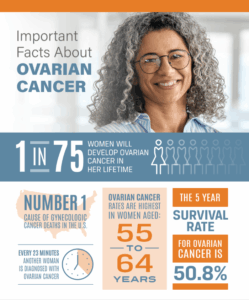
Ovarian cancer is often called the “silent cancer” because its early symptoms can be mistaken for other conditions. Understanding risk

Chronic joint and tissue pain affects millions of people, often limiting mobility, diminishing quality of life, and making even simple daily activities feel like a challenge. While surgery and long-term medication have traditionally been the go-to solutions, many patients are seeking alternatives that are less invasive and more sustainable.
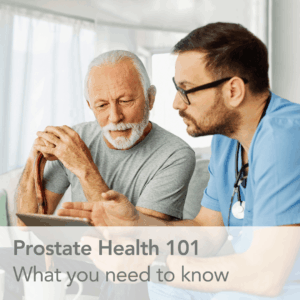
Prostate health is a vital yet often overlooked aspect of men’s overall well-being. As men age, the prostate, a small gland located below the bladder, can become more susceptible to conditions such as benign prostatic hyperplasia (BPH), prostatitis, and prostate cancer. Understanding the importance of prevention, early detection, and healthy habits can empower individuals to take proactive steps toward long-term health.
Learn about prostate cancer risks, symptoms, and when to get screened.

LAFAYETTE, LA — August 1, 2026 — OncoLogics, a premier provider of advanced cancer care across the Acadiana region, today announced a new collaboration with JointGlow to offer low-dose radiotherapy (LDRT) to patients suffering from chronic musculoskeletal pain, osteoarthritis and inflammatory tissue disorders. LDRT is an FDA-cleared, highly effective, non-invasive joint pain treatment option offering patients long-term relief without surgery or steroids.
Lafayette, La. — May 27, 2026 — OncoLogics today announced the installation and launch of a next-generation radiation therapy platform at its Our Lady of Lourdes location, further strengthening access to sophisticated cancer treatment technology for patients across Lafayette and Acadiana.