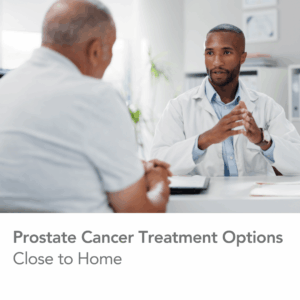
Prostate Cancer: Understanding Risk and Screening
Learn about prostate cancer risks, symptoms, and when to get screened.
December 21-22, 2024 – Closed
December 23-24, 2024 – Open 8:00 AM – 5:00 PM
December 25, 2024 – Closed
December 26-27, 2024 – Open 8:00 AM – 5:00 PM
December 28-29, 2024 – Closed
December 30-31, 2024 – Open 8:00 AM – 5:00 PM
January 1, 2024 – Closed
January 2-3, 2024 – Open 8:00 AM – 5:00 PM
As of the afternoon of January 23, 2025, our phones are operational. Thank you for your patience as our phone provider experienced a national outage that impacted our phone services on the afternoon of January 22 and the morning of January 23.

Learn about prostate cancer risks, symptoms, and when to get screened.

Learn the signs of breast cancer, the importance of screening, and how early detection can improve outcomes.

At Oncologics, we understand that learning you may need prostate care can feel overwhelming. Our team specializes in providing radiation oncology services with a patient-first approach, combining advanced technology, compassionate care, and personalized treatment planning.

At Oncologics, we understand that learning you may need breast care can feel overwhelming. Our team specializes in providing radiation oncology services with a patient-first approach, combining advanced technology, compassionate care, and personalized treatment planning.

February is a time to recognize the caregivers who stand beside patients through every stage of cancer care. From diagnosis to treatment and beyond, caregivers provide emotional support, practical help, and steady encouragement during some of life’s most difficult moments.

February is Heart Health Month, and protecting cardiovascular health is an important part of cancer care. Modern oncology focuses not only on treating cancer, but also supporting overall wellness during and after treatment.

National Cancer Prevention Month is a reminder that many cancers are influenced by daily habits. While not every diagnosis can be prevented, research shows a significant number of cancers are linked to modifiable risk factors — meaning small, consistent changes can make a real difference.

Follow-up appointments are an important part of staying healthy. Whether you’re managing a condition, monitoring progress, or simply keeping up with routine care, these visits help your healthcare team make sure everything is on track.

Cancer treatment can bring physical, emotional, and mental challenges. Feeling stressed or overwhelmed is completely normal, but there are simple, effective ways to help manage stress and maintain a sense of control during this time.

Learn about prostate cancer risks, symptoms, and when to get screened.

Learn the signs of breast cancer, the importance of screening, and how early detection can improve outcomes.

At Oncologics, we understand that learning you may need prostate care can feel overwhelming. Our team specializes in providing radiation oncology services with a patient-first approach, combining advanced technology, compassionate care, and personalized treatment planning.

At Oncologics, we understand that learning you may need breast care can feel overwhelming. Our team specializes in providing radiation oncology services with a patient-first approach, combining advanced technology, compassionate care, and personalized treatment planning.

February is a time to recognize the caregivers who stand beside patients through every stage of cancer care. From diagnosis to treatment and beyond, caregivers provide emotional support, practical help, and steady encouragement during some of life’s most difficult moments.

February is Heart Health Month, and protecting cardiovascular health is an important part of cancer care. Modern oncology focuses not only on treating cancer, but also supporting overall wellness during and after treatment.

National Cancer Prevention Month is a reminder that many cancers are influenced by daily habits. While not every diagnosis can be prevented, research shows a significant number of cancers are linked to modifiable risk factors — meaning small, consistent changes can make a real difference.

Follow-up appointments are an important part of staying healthy. Whether you’re managing a condition, monitoring progress, or simply keeping up with routine care, these visits help your healthcare team make sure everything is on track.

Cancer treatment can bring physical, emotional, and mental challenges. Feeling stressed or overwhelmed is completely normal, but there are simple, effective ways to help manage stress and maintain a sense of control during this time.

In early stages, cervical cancer may not cause noticeable symptoms. As it progresses, some signs may include: