Understanding Pancreatic Cancer
Although one of the deadliest forms of cancer, pancreatic cancer is also one of the most difficult cancers to detect

December 21-22, 2024 – Closed
December 23-24, 2024 – Open 8:00 AM – 5:00 PM
December 25, 2024 – Closed
December 26-27, 2024 – Open 8:00 AM – 5:00 PM
December 28-29, 2024 – Closed
December 30-31, 2024 – Open 8:00 AM – 5:00 PM
January 1, 2024 – Closed
January 2-3, 2024 – Open 8:00 AM – 5:00 PM
As of the afternoon of January 23, 2025, our phones are operational. Thank you for your patience as our phone provider experienced a national outage that impacted our phone services on the afternoon of January 22 and the morning of January 23.
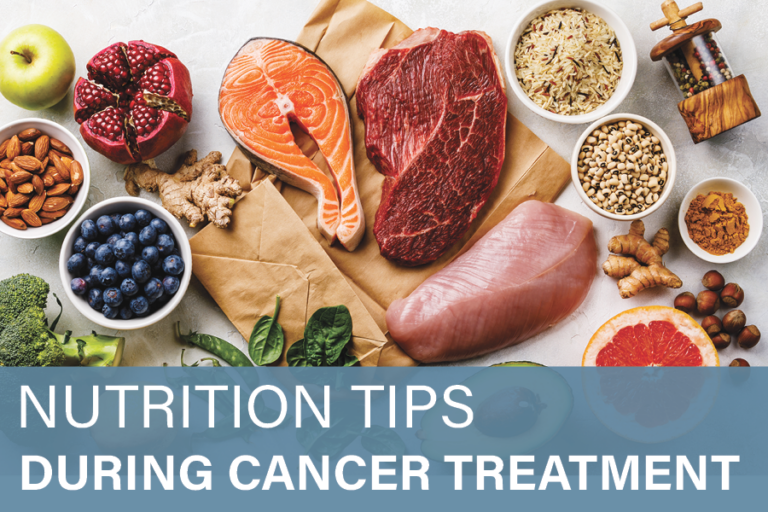
Cancer and its treatments can significantly impact your nutrition and overall well-being. Weight loss and undernutrition are common due to a loss of appetite and other factors that affect eating. Severe undernutrition can compromise the function of vital organs such as the heart, liver, and kidneys, and impair your ability to heal from surgery, chemotherapy, and radiation side effects. Ensuring you get the right nutrients is crucial for maintaining your quality of life during this challenging time. Here are some tips to help boost your nutrition:
Opt for Several Small Meals a Day
Instead of three large meals, try eating several small meals throughout the day. This approach can make it easier to consume more calories and nutrients without feeling overwhelmed by a large plate of food.
Prioritize High-Protein Foods
When your appetite is at its peak, start your meal with high-protein foods. Protein is essential for maintaining muscle mass and supporting recovery. Foods such as beans, chicken, fish, meat, yogurt, and eggs are excellent choices to include in your diet.
Eat Your Largest Meal When You Feel Hungriest
Identify the time of day when you feel most hungry and make that your largest meal. Whether it’s breakfast, lunch, or dinner, take advantage of your hunger to consume the most calories and nutrients at that time.
Keep Food Interesting
Variety is key to keeping your meals appealing. Experiment with different recipes, seasonings, and cooking methods to find new flavors and textures. Eating at nice restaurants occasionally can also provide a pleasant change of environment and stimulate your appetite.
Keep Favorite and High-Calorie Foods Accessible
Stock up on your favorite foods and high-calorie snacks and beverages. Keeping these items readily available at home and in other places you frequently visit can encourage you to eat more regularly. High-calorie options can help you meet your nutritional needs even if you’re eating smaller portions.
Maintaining proper nutrition during cancer treatment is vital for your overall health and recovery. By implementing these tips, you can help manage weight loss and undernutrition, ensuring your body gets the nutrients it needs to support vital functions and enhance your quality of life. Always consult with your healthcare team for personalized advice and guidance on your nutritional needs during treatment. Remember, small, consistent efforts can make a significant difference in your health and well-being.

Although one of the deadliest forms of cancer, pancreatic cancer is also one of the most difficult cancers to detect

December is a time of reflection, and for many survivors, it’s a chance to acknowledge how far they’ve come. Survivorship
Cervical cancer screening is a vital tool in the early detection and prevention of cervical cancer. Regular screenings can identify
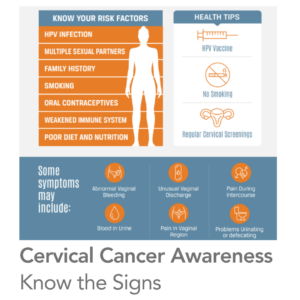
In early stages, cervical cancer may not cause noticeable symptoms. As it progresses, some signs may include:

Sleep is a key part of healing, especially during cancer treatment. Your body uses this time to restore itself, manage

Summer brings sunshine, warmth, and outdoor fun—but for those undergoing cancer treatment, it also brings added challenges. Heat and humidity

Colorectal cancer, also known as colorectal cancer, is a significant health concern worldwide. However, there are proactive steps you can

Chronic joint and tissue pain affects millions of people, often limiting mobility, diminishing quality of life, and making even simple daily activities feel like a challenge. While surgery and long-term medication have traditionally been the go-to solutions, many patients are seeking alternatives that are less invasive and more sustainable.
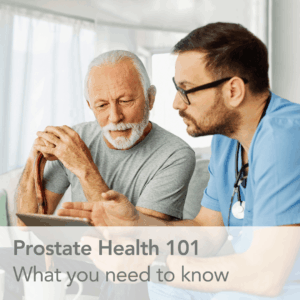
Prostate health is a vital yet often overlooked aspect of men’s overall well-being. As men age, the prostate, a small gland located below the bladder, can become more susceptible to conditions such as benign prostatic hyperplasia (BPH), prostatitis, and prostate cancer. Understanding the importance of prevention, early detection, and healthy habits can empower individuals to take proactive steps toward long-term health.
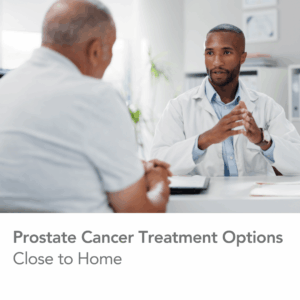
Learn about prostate cancer risks, symptoms, and when to get screened.
LAFAYETTE, LA — August 1, 2026 — OncoLogics, a premier provider of advanced cancer care across the Acadiana region, today announced a new collaboration with JointGlow to offer low-dose radiotherapy (LDRT) to patients suffering from chronic musculoskeletal pain, osteoarthritis and inflammatory tissue disorders. LDRT is an FDA-cleared, highly effective, non-invasive joint pain treatment option offering patients long-term relief without surgery or steroids.
Lafayette, La. — May 27, 2026 — OncoLogics today announced the installation and launch of a next-generation radiation therapy platform at its Our Lady of Lourdes location, further strengthening access to sophisticated cancer treatment technology for patients across Lafayette and Acadiana.