Head and Neck Cancer Awareness: Diagnosis and Treatment Options
Diagnosing and treating head and neck cancer requires a multidisciplinary approach involving various healthcare professionals, including oncologists, surgeons, radiologists, and
December 21-22, 2024 – Closed
December 23-24, 2024 – Open 8:00 AM – 5:00 PM
December 25, 2024 – Closed
December 26-27, 2024 – Open 8:00 AM – 5:00 PM
December 28-29, 2024 – Closed
December 30-31, 2024 – Open 8:00 AM – 5:00 PM
January 1, 2024 – Closed
January 2-3, 2024 – Open 8:00 AM – 5:00 PM
As of the afternoon of January 23, 2025, our phones are operational. Thank you for your patience as our phone provider experienced a national outage that impacted our phone services on the afternoon of January 22 and the morning of January 23.
Prostate cancer is a serious health concern that affects millions of men worldwide. It’s a diagnosis no one wants to receive, but being armed with the right information and taking proactive steps can significantly improve outcomes and increase the chances of early detection. Below are some essential health tips to help you stay informed and take care of your prostate.
What is prostate cancer?
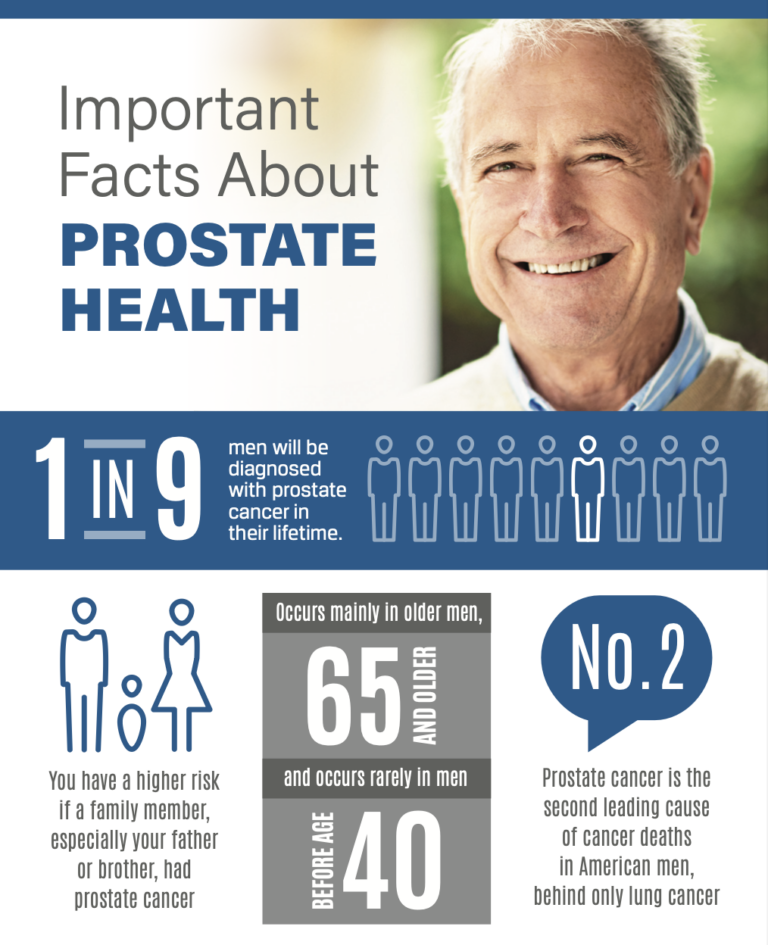
Prostate cancer occurs when abnormal cells in the prostate gland grow and divide uncontrollably. The prostate gland is a small walnut-shaped organ located below the bladder and in front of the rectum. It produces seminal fluid that nourishes and transports sperm. Prostate cancer is the second most common cancer among men, but the good news is that it is highly treatable if detected early. Understanding the basics of prostate cancer is crucial in taking preventive measures and seeking appropriate medical advice.
Risk factors for prostate cancer
While the exact cause of prostate cancer is still unknown, certain risk factors have been identified. Age is the most significant risk factor, with the majority of cases occurring in men over the age of 65. Other factors include a family history of prostate cancer, ethnicity (African American men have a higher risk), and certain genetic mutations. It’s important to be aware of these risk factors and discuss them with your healthcare provider to determine if you need to take extra precautions.
Symptoms of prostate cancer
Prostate cancer often doesn’t cause noticeable symptoms in its early stages. However, as the disease progresses, symptoms may start to appear. These can include frequent urination, difficulty starting and stopping urination, weak urine flow, blood in the urine or semen, and discomfort in the pelvic area. It’s crucial to pay attention to any changes in urinary habits and report them to your doctor for further evaluation.
Early detection and screening for prostate cancer
Early detection is key to successful treatment and improved outcomes. Regular screening can help identify prostate cancer before symptoms develop. The two main screening tests for prostate cancer are the prostate-specific antigen (PSA) blood test and the digital rectal exam (DRE). The PSA test measures the level of PSA in the blood, while the DRE allows the doctor to examine the prostate gland for any abnormalities. Talk to your doctor about the benefits and limitations of these screening tests and determine the best approach for your individual situation.
Healthy lifestyle choices to reduce the risk of prostate cancer
While certain risk factors for prostate cancer cannot be changed, such as age and family history, adopting a healthy lifestyle can help reduce the risk. Regular exercise, maintaining a healthy weight, and avoiding tobacco products are all factors that contribute to overall prostate health. Additionally, consuming a diet rich in fruits, vegetables, whole grains, and lean proteins can provide essential nutrients and antioxidants that support prostate health. Small changes in your daily habits can make a significant difference in reducing the risk of prostate cancer.
Diet and nutrition tips for prostate cancer prevention
Research suggests that certain dietary choices may have a protective effect against prostate cancer. Adding foods like tomatoes, broccoli, green tea, and fatty fish (such as salmon) to your diet can provide beneficial nutrients that support prostate health. On the other hand, limiting the consumption of red and processed meats, high-fat dairy products, and sugary foods can help reduce the risk. It’s important to consult with a registered dietitian or nutritionist to create a personalized diet plan that suits your individual needs and preferences.
Exercise and physical activity recommendations for prostate cancer patients
Regular exercise and physical activity not only contribute to overall well-being but also play a significant role in managing prostate cancer. Engaging in activities like brisk walking, swimming, cycling, and strength training can help improve muscle strength, reduce fatigue, and promote a healthy body weight. It’s essential to talk to your healthcare team before starting any exercise program to ensure it’s safe and suitable for your specific condition.
Treatment options for prostate cancer
The treatment approach for prostate cancer depends on various factors, including the stage of cancer, overall health, and personal preferences. Treatment options may include active surveillance (monitoring the cancer without immediate treatment), surgery, radiation therapy, hormone therapy, and chemotherapy. Each treatment option carries its own benefits and potential side effects, so it’s crucial to have a thorough discussion with your healthcare provider to make an informed decision about the best course of action for you.
Taking control of your prostate health
Prostate cancer is a significant health concern that requires attention and proactive measures. By understanding the risk factors, recognizing the symptoms, and seeking early detection through regular screenings, you can increase the chances of successful treatment and improved outcomes. Making healthy lifestyle choices, including a balanced diet and regular exercise, further contributes to overall prostate health. Remember to consult with healthcare professionals, stay informed, and utilize available support and resources. By taking control of your prostate health, you’re taking steps towards a healthier future.

Diagnosing and treating head and neck cancer requires a multidisciplinary approach involving various healthcare professionals, including oncologists, surgeons, radiologists, and

Colorectal cancer, also known as colorectal cancer, is a significant health concern worldwide. However, there are proactive steps you can

October is a reminder not just to wear pink, but to take meaningful steps toward protecting your health.

When it comes to preventing cervical cancer, the HPV vaccine is one of the most powerful tools available. Human papillomavirus

Colorectal cancer is a prevalent and potentially life-threatening disease, but it’s often treatable when detected early. Recognizing the symptoms of

As you prepare to send your kids back to school, the to-do lists and back-to-school shopping start to pile up.

As the year comes to a close, many of us start thinking about resolutions and fresh starts. But when it

Chronic joint and tissue pain affects millions of people, often limiting mobility, diminishing quality of life, and making even simple daily activities feel like a challenge. While surgery and long-term medication have traditionally been the go-to solutions, many patients are seeking alternatives that are less invasive and more sustainable.

Prostate health is a vital yet often overlooked aspect of men’s overall well-being. As men age, the prostate, a small gland located below the bladder, can become more susceptible to conditions such as benign prostatic hyperplasia (BPH), prostatitis, and prostate cancer. Understanding the importance of prevention, early detection, and healthy habits can empower individuals to take proactive steps toward long-term health.

Learn about prostate cancer risks, symptoms, and when to get screened.

LAFAYETTE, LA — August 1, 2026 — OncoLogics, a premier provider of advanced cancer care across the Acadiana region, today announced a new collaboration with JointGlow to offer low-dose radiotherapy (LDRT) to patients suffering from chronic musculoskeletal pain, osteoarthritis and inflammatory tissue disorders. LDRT is an FDA-cleared, highly effective, non-invasive joint pain treatment option offering patients long-term relief without surgery or steroids.
Lafayette, La. — May 27, 2026 — OncoLogics today announced the installation and launch of a next-generation radiation therapy platform at its Our Lady of Lourdes location, further strengthening access to sophisticated cancer treatment technology for patients across Lafayette and Acadiana.