Holiday Hours:

December 21-22, 2024 – Closed

December 23-24, 2024 – Open 8:00 AM – 5:00 PM

December 25, 2024 – Closed

December 26-27, 2024 – Open 8:00 AM – 5:00 PM

December 28-29, 2024 – Closed

December 30-31, 2024 – Open 8:00 AM – 5:00 PM

January 1, 2024 – Closed

January 2-3, 2024 – Open 8:00 AM – 5:00 PM

As of the afternoon of January 23, 2025, our phones are operational. Thank you for your patience as our phone provider experienced a national outage that impacted our phone services on the afternoon of January 22 and the morning of January 23.

Doctor's Blog

faq

Questions About Skin Cancer? We Have the Answers

Q:
What is skin cancer?

A:
Skin cancer is a condition characterized by the abnormal growth of skin cells, often caused by excessive exposure to ultraviolet (UV) radiation from the sun or artificial sources like tanning beds. There are different types of skin cancer, including melanoma, basal cell carcinoma, and squamous cell carcinoma.

Read More »
sleep

Your Sleep Patterns Could be Impacting Your Mental Health

Sleep is an essential aspect of our lives that is often overlooked. While we sleep, our body and mind recharge, and we wake up feeling refreshed and ready to tackle the day. However, lack of sleep can have a profound impact on our mental health, affecting our mood, emotions, and cognitive function. We will explore the relationship between sleep and mental health and the impact of sleep deprivation on our mental well-being.

Read More »
health month

May is Women’s Health Month

Cancer is a disease that affects millions of people worldwide, and while there are many factors that contribute to cancer, there are also many preventative measures that women can take to reduce their risk. This Women’s Health Week, we will explore some of the best practices women can follow to lessen their chance of developing cancer.

Maintain a Healthy Diet

One of the best things you can do for your health is to maintain a healthy and balanced diet. Eating a diet rich in fruits, vegetables, and whole grains can help provide the nutrients and antioxidants your body needs to fight cancer. Additionally, reducing your consumption of processed foods, red meat, and sugary drinks can help lower your cancer risk.

Read More »
question

Should You Get Screened for Head and Neck Cancer?

Head and neck cancer is a term used to describe a variety of cancers that occur in the head and neck region. This includes the oral cavity, pharynx, larynx, salivary glands, nasal cavity, and sinuses. The most common type of head and neck cancer is squamous cell carcinoma, which accounts for more than 90% of cases. This blog will guide you through the symptoms of head and neck cancer, the diagnostic process and treatment options.

Read More »
Coping with a Cancer Diagnosis

Coping with a Cancer Diagnosis

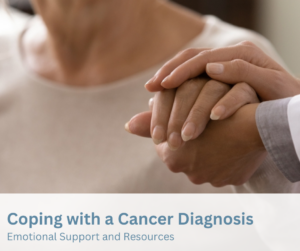
A cancer diagnosis can bring a wave of emotions—fear, anxiety, sadness, and even anger. While these feelings are normal, finding the right emotional support can make a significant difference in your journey.

Read More »
The Link Between Heart Health and Cancer

The Link Between Heart Health and Cancer

February is American Heart Month, making it the perfect time to discuss the connection between heart disease and cancer. Many cancer treatments impact cardiovascular health, making it essential for patients and survivors to take steps to protect their hearts.

Read More »
Simple Steps for Prioritizing Your Health in the New Year

Simple Steps for Prioritizing Your Health in the New Year

As we usher in the new year, it’s the perfect time to reflect on our health and make positive changes. Whether it’s a commitment to eating better, exercising more, or prioritizing preventive care, setting health goals can help us improve our well-being and reduce the risk of cancer.

Read More »
Cervical Cancer Prevention: The Role of HPV Vaccination

Cervical Cancer Prevention: The Role of HPV Vaccination

When it comes to preventing cervical cancer, the HPV vaccine is one of the most powerful tools available. Human papillomavirus (HPV) is a group of more than 200 related viruses, several of which are linked to the development of cervical cancer. The good news is that vaccination can protect against the most common types of HPV that cause cancer.

Read More »