Head and Neck Cancer: Awareness, Symptoms, and Treatment
April is Head and Neck Cancer Awareness Month—a time to highlight cancers that affect the mouth, throat, voice box, nasal
December 21-22, 2024 – Closed
December 23-24, 2024 – Open 8:00 AM – 5:00 PM
December 25, 2024 – Closed
December 26-27, 2024 – Open 8:00 AM – 5:00 PM
December 28-29, 2024 – Closed
December 30-31, 2024 – Open 8:00 AM – 5:00 PM
January 1, 2024 – Closed
January 2-3, 2024 – Open 8:00 AM – 5:00 PM
As of the afternoon of January 23, 2025, our phones are operational. Thank you for your patience as our phone provider experienced a national outage that impacted our phone services on the afternoon of January 22 and the morning of January 23.
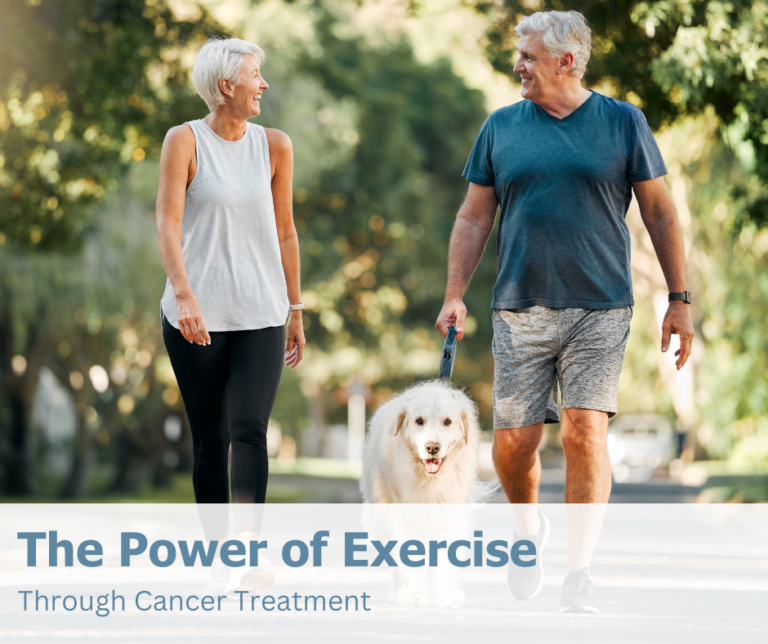
Cancer treatment can be physically and emotionally demanding, but incorporating exercise into your routine can significantly improve your overall well-being. Exercise is known to reduce stress, boost mood, and restore energy levels. For cancer patients, these benefits can be particularly impactful, helping to manage treatment side effects and enhance recovery. In this two-part series, we’ll explore the numerous benefits of exercise for cancer patients and provide practical tips for incorporating physical activity into your life. Make sure to consult your healthcare provider before beginning any exercise program.
Improving Physical Health
– Regaining Strength: Cancer treatments like chemotherapy, radiation, and surgery can weaken the body. Regular physical activity helps rebuild muscle strength and improve physical function, making daily activities easier to perform.
– Boosting Immune Function: Exercise enhances the immune system, which is crucial for cancer patients whose immune systems may be compromised by treatment. A stronger immune system helps the body fight off infections and supports overall health.
– Enhancing Cardiovascular Health: Aerobic exercises such as walking, swimming, and cycling improve heart and lung function, reducing the risk of cardiovascular disease—a common concern for cancer patients.
– Managing Weight: Maintaining a healthy weight is important during cancer treatment. Exercise helps regulate body weight, preventing obesity or unintentional weight loss, both of which can impact treatment outcomes.
Reducing Treatment Side Effects
– Combating Fatigue: Fatigue is a common side effect of cancer treatment. Regular physical activity has been shown to reduce fatigue, increase energy levels, and improve overall vitality.
– Decreasing Chemo Brain Fog: Cognitive impairments, often referred to as “chemo brain,” can affect memory and concentration. Exercise stimulates brain function and can help mitigate these cognitive effects.
– Managing Pain: Exercise can help alleviate pain by releasing endorphins, the body’s natural painkillers. It also helps improve flexibility and reduce stiffness, contributing to pain management.
– Improving Sleep: Quality sleep is essential for recovery. Regular physical activity can help regulate sleep patterns, leading to better rest and improved healing.
Exercise offers numerous benefits for cancer patients, from improving physical health to reducing treatment side effects.

April is Head and Neck Cancer Awareness Month—a time to highlight cancers that affect the mouth, throat, voice box, nasal

June is National Cancer Survivors Month—a time to celebrate those who have faced cancer and come through with courage, hope,

When it comes to preventing cervical cancer, the HPV vaccine is one of the most powerful tools available. Human papillomavirus

Sleep is a key part of healing, especially during cancer treatment. Your body uses this time to restore itself, manage

April is Alcohol Awareness Month—an important time to understand how alcohol consumption affects cancer risk. Regular alcohol use is linked

As family travels from near and far to be together during the holiday season, it’s an opportune time for you

A prostate cancer diagnosis can be overwhelming and scary. You will probably have lots of questions, and wonder where to

Chronic joint and tissue pain affects millions of people, often limiting mobility, diminishing quality of life, and making even simple daily activities feel like a challenge. While surgery and long-term medication have traditionally been the go-to solutions, many patients are seeking alternatives that are less invasive and more sustainable.
Prostate health is a vital yet often overlooked aspect of men’s overall well-being. As men age, the prostate, a small gland located below the bladder, can become more susceptible to conditions such as benign prostatic hyperplasia (BPH), prostatitis, and prostate cancer. Understanding the importance of prevention, early detection, and healthy habits can empower individuals to take proactive steps toward long-term health.
Learn about prostate cancer risks, symptoms, and when to get screened.

LAFAYETTE, LA — August 1, 2026 — OncoLogics, a premier provider of advanced cancer care across the Acadiana region, today announced a new collaboration with JointGlow to offer low-dose radiotherapy (LDRT) to patients suffering from chronic musculoskeletal pain, osteoarthritis and inflammatory tissue disorders. LDRT is an FDA-cleared, highly effective, non-invasive joint pain treatment option offering patients long-term relief without surgery or steroids.
Lafayette, La. — May 27, 2026 — OncoLogics today announced the installation and launch of a next-generation radiation therapy platform at its Our Lady of Lourdes location, further strengthening access to sophisticated cancer treatment technology for patients across Lafayette and Acadiana.