Holiday Hours:

(All Locations)

Thanksgiving Week

Wednesday, Nov. 25: 7:30 AM – 4:30 PM Thursday, Nov. 26: Closed Friday, Nov. 27: Closed

Christmas Week

Thursday, Dec. 24: 7:30 AM – 4:30 PM Friday, Dec. 25: Closed

New Year's Week

Thursday, Dec. 31: 7:30 AM – 4:30 PM Friday, Jan. 1: Closed

The Power of Sleep During Cancer Treatment

sleep during treatment

Sleep is a key part of healing, especially during cancer treatment. Your body uses this time to restore itself, manage stress, and support your immune system. Unfortunately, many people undergoing treatment find it difficult to sleep well.

Why sleep matters:

• Helps your body recover from treatment
• Reduces fatigue and emotional stress
• Strengthens immune function

Tips for better sleep during treatment:

• Stick to a regular sleep schedule
• Keep your bedroom cool, dark, and quiet
• Avoid screen time before bed
• Try calming routines like reading, music, or meditation
• Let your care team know if pain or nausea is interrupting sleep

Good sleep supports healing, and we’re here to help if you’re struggling. Don’t hesitate to bring up sleep concerns at your next appointment.

Contact Us

Other Articles

Like What You See? Share With A Friend!

Latest Doctor's Blog Articles

jointglow

JointGlow: A Modern Approach to Joint Pain Relief

Chronic joint and tissue pain affects millions of people, often limiting mobility, diminishing quality of life, and making even simple daily activities feel like a challenge. While surgery and long-term medication have traditionally been the go-to solutions, many patients are seeking alternatives that are less invasive and more sustainable.

Read More »
prostate health image

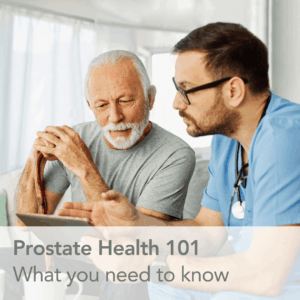
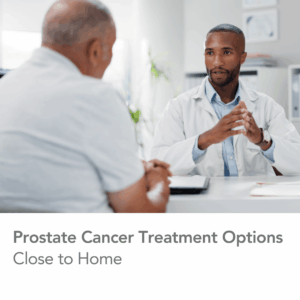
Prostate Health: What Every Man Should Know

Prostate health is a vital yet often overlooked aspect of men’s overall well-being. As men age, the prostate, a small gland located below the bladder, can become more susceptible to conditions such as benign prostatic hyperplasia (BPH), prostatitis, and prostate cancer. Understanding the importance of prevention, early detection, and healthy habits can empower individuals to take proactive steps toward long-term health.

Read More »