Skin Cancer Prevention and Early Detection
Detecting skin cancer early can make a significant difference in treatment outcomes. Learn more about practical steps for prevention and
December 21-22, 2024 – Closed
December 23-24, 2024 – Open 8:00 AM – 5:00 PM
December 25, 2024 – Closed
December 26-27, 2024 – Open 8:00 AM – 5:00 PM
December 28-29, 2024 – Closed
December 30-31, 2024 – Open 8:00 AM – 5:00 PM
January 1, 2024 – Closed
January 2-3, 2024 – Open 8:00 AM – 5:00 PM
As of the afternoon of January 23, 2025, our phones are operational. Thank you for your patience as our phone provider experienced a national outage that impacted our phone services on the afternoon of January 22 and the morning of January 23.
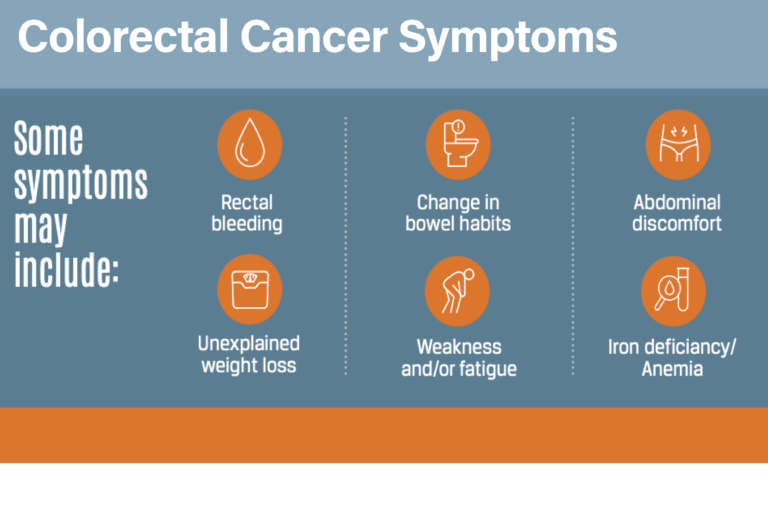
Colorectal cancer is a prevalent and potentially life-threatening disease, but it’s often treatable when detected early. Recognizing the symptoms of colorectal cancer is crucial for prompt diagnosis and intervention. Below are signs and symptoms of colorectal cancer to be aware of, emphasizing the importance of paying attention to your body and seeking medical attention if any concerning symptoms arise.
Common Symptoms of Colorectal Cancer:
Changes in Bowel Habits: Persistent changes in bowel habits, such as diarrhea, constipation, or changes in stool consistency, may indicate colorectal cancer. Pay attention to any unusual or unexplained changes in your bathroom routine.
Rectal Bleeding: Blood in the stool or rectal bleeding is a common symptom of colorectal cancer. While rectal bleeding may be caused by other conditions, such as hemorrhoids or anal fissures, it’s essential to consult a healthcare professional to rule out colorectal cancer.
Abdominal Discomfort: Persistent abdominal pain, cramping, or discomfort, particularly if it’s accompanied by other symptoms, should be evaluated by a doctor. Colorectal cancer can cause abdominal discomfort as tumors grow and press on surrounding tissues.
Unexplained Weight Loss: Unintentional weight loss, especially if it occurs rapidly and without changes in diet or exercise, can be a red flag for colorectal cancer. Cancer-related weight loss may be due to a combination of factors, including loss of appetite, changes in metabolism, and cancer-related fatigue.
Fatigue: Fatigue or weakness that doesn’t improve with rest is another potential symptom of colorectal cancer. Cancer-related fatigue can be debilitating and may interfere with daily activities, so it’s essential to address it promptly.
When to Seek Medical Attention:
If you experience any of the symptoms mentioned above, it’s crucial to consult a healthcare professional promptly. While these symptoms may not always indicate colorectal cancer, they should not be ignored, as early detection can significantly improve treatment outcomes. Your doctor can perform a thorough evaluation, including physical examination, medical history review, and diagnostic tests, to determine the underlying cause of your symptoms.
Don’t hesitate to consult a healthcare professional if you experience any concerning symptoms. Remember, early detection saves lives.

Detecting skin cancer early can make a significant difference in treatment outcomes. Learn more about practical steps for prevention and

June is Men’s Health Month, a time dedicated to raising awareness about various health issues that impact men. One common

February is American Heart Month, making it the perfect time to discuss the connection between heart disease and cancer. Many

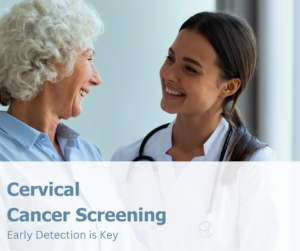
In early stages, cervical cancer may not cause noticeable symptoms. As it progresses, some signs may include:

Although one of the deadliest forms of cancer, pancreatic cancer is also one of the most difficult cancers to detect

Receiving a prostate cancer diagnosis can be overwhelming, but asking the right questions can help you make informed decisions about

Mental Health Awareness Month is a crucial time to highlight the psychological impact of chronic illnesses, including cancer. The diagnosis,

Chronic joint and tissue pain affects millions of people, often limiting mobility, diminishing quality of life, and making even simple daily activities feel like a challenge. While surgery and long-term medication have traditionally been the go-to solutions, many patients are seeking alternatives that are less invasive and more sustainable.

Prostate health is a vital yet often overlooked aspect of men’s overall well-being. As men age, the prostate, a small gland located below the bladder, can become more susceptible to conditions such as benign prostatic hyperplasia (BPH), prostatitis, and prostate cancer. Understanding the importance of prevention, early detection, and healthy habits can empower individuals to take proactive steps toward long-term health.

Learn about prostate cancer risks, symptoms, and when to get screened.

LAFAYETTE, LA — August 1, 2026 — OncoLogics, a premier provider of advanced cancer care across the Acadiana region, today announced a new collaboration with JointGlow to offer low-dose radiotherapy (LDRT) to patients suffering from chronic musculoskeletal pain, osteoarthritis and inflammatory tissue disorders. LDRT is an FDA-cleared, highly effective, non-invasive joint pain treatment option offering patients long-term relief without surgery or steroids.
Lafayette, La. — May 27, 2026 — OncoLogics today announced the installation and launch of a next-generation radiation therapy platform at its Our Lady of Lourdes location, further strengthening access to sophisticated cancer treatment technology for patients across Lafayette and Acadiana.