
Caring for Yourself Through the Holidays
The holiday season can be joyful—but for those facing cancer, it can also feel overwhelming. It’s okay to need support,

The holiday season can be joyful—but for those facing cancer, it can also feel overwhelming. It’s okay to need support,

Although one of the deadliest forms of cancer, pancreatic cancer is also one of the most difficult cancers to detect
Prevention is critical when it comes to Cervical cancer. By adopting healthy lifestyle choices and taking advantage of available vaccinations,

Lymphoma is a type of cancer that originates in the lymphatic system, a vital part of the body’s immune system.
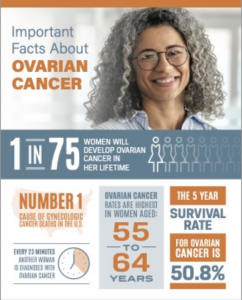
Ovarian cancer begins in the ovaries, the reproductive glands that produce eggs. It is the fifth most common cancer among
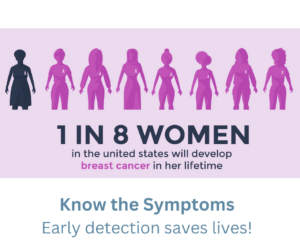
Breast cancer is one of the most common cancers affecting women worldwide. Early detection can significantly improve treatment outcomes, so

Melanoma skin cancer is a type of cancer that affects the melanocytes, the cells that produce pigment in the skin.

Chronic joint and tissue pain affects millions of people, often limiting mobility, diminishing quality of life, and making even simple daily activities feel like a challenge. While surgery and long-term medication have traditionally been the go-to solutions, many patients are seeking alternatives that are less invasive and more sustainable.

Prostate health is a vital yet often overlooked aspect of men’s overall well-being. As men age, the prostate, a small gland located below the bladder, can become more susceptible to conditions such as benign prostatic hyperplasia (BPH), prostatitis, and prostate cancer. Understanding the importance of prevention, early detection, and healthy habits can empower individuals to take proactive steps toward long-term health.

Learn about prostate cancer risks, symptoms, and when to get screened.

LAFAYETTE, LA — August 1, 2026 — OncoLogics, a premier provider of advanced cancer care across the Acadiana region, today announced a new collaboration with JointGlow to offer low-dose radiotherapy (LDRT) to patients suffering from chronic musculoskeletal pain, osteoarthritis and inflammatory tissue disorders. LDRT is an FDA-cleared, highly effective, non-invasive joint pain treatment option offering patients long-term relief without surgery or steroids.
Lafayette, La. — May 27, 2026 — OncoLogics today announced the installation and launch of a next-generation radiation therapy platform at its Our Lady of Lourdes location, further strengthening access to sophisticated cancer treatment technology for patients across Lafayette and Acadiana.