Holiday Hours:

December 21-22, 2024 – Closed

December 23-24, 2024 – Open 8:00 AM – 5:00 PM

December 25, 2024 – Closed

December 26-27, 2024 – Open 8:00 AM – 5:00 PM

December 28-29, 2024 – Closed

December 30-31, 2024 – Open 8:00 AM – 5:00 PM

January 1, 2024 – Closed

January 2-3, 2024 – Open 8:00 AM – 5:00 PM

As of the afternoon of January 23, 2025, our phones are operational. Thank you for your patience as our phone provider experienced a national outage that impacted our phone services on the afternoon of January 22 and the morning of January 23.

Common Symptoms of Cervical Cancer

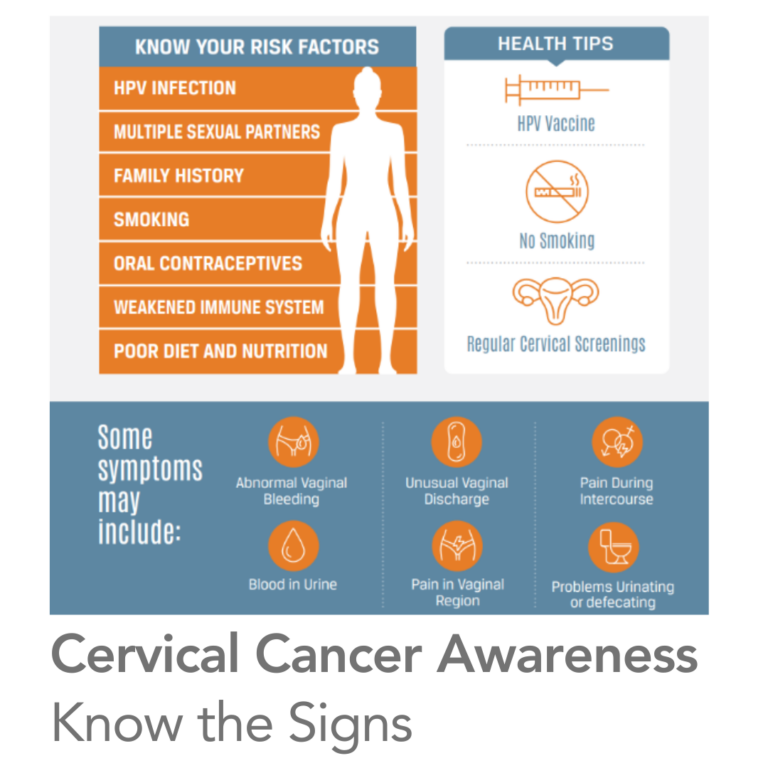
cervical cancer awareness

In early stages, cervical cancer may not cause noticeable symptoms. As it progresses, some signs may include:

  • Abnormal vaginal bleeding (between periods, after intercourse, or after menopause)
  • Unusual vaginal discharge that may be watery, bloody, or have a strong odor
  • Pelvic pain or pain during intercourse
  • Heavier or longer menstrual periods
  • Lower back or leg pain in more advanced stages
  • Changes in bladder or bowel habits in later stages

If you experience any of these symptoms, it is important to contact your healthcare provider promptly.

Common Treatment Options

Treatment depends on the stage of cancer, overall health, and individual patient needs. A personalized care plan is created for each patient.

Surgery

  • Often used for early-stage cervical cancer
  • May include removal of abnormal tissue or a hysterectomy

Radiation Therapy

  • Uses high-energy beams to destroy cancer cells
  • May be given externally or internally (brachytherapy)
  • Frequently combined with chemotherapy

Chemotherapy

  • Helps enhance the effectiveness of radiation
  • May also be used for advanced or recurrent disease

Immunotherapy and Targeted Therapy

  • Used in certain advanced cases
  • Helps the immune system recognize and attack cancer cells

Why Early Detection Matters

When cervical cancer is caught early, treatment is often less invasive and more effective. Routine Pap tests and HPV screenings remain the best tools for prevention and early detection. These screenings can identify abnormal changes before cancer develops.

Contact Us

Other Articles

Like What You See? Share With A Friend!

Latest Doctor's Blog Articles

jointglow

JointGlow: A Modern Approach to Joint Pain Relief

Chronic joint and tissue pain affects millions of people, often limiting mobility, diminishing quality of life, and making even simple daily activities feel like a challenge. While surgery and long-term medication have traditionally been the go-to solutions, many patients are seeking alternatives that are less invasive and more sustainable.

Read More »
prostate health image

Prostate Health: What Every Man Should Know

Prostate health is a vital yet often overlooked aspect of men’s overall well-being. As men age, the prostate, a small gland located below the bladder, can become more susceptible to conditions such as benign prostatic hyperplasia (BPH), prostatitis, and prostate cancer. Understanding the importance of prevention, early detection, and healthy habits can empower individuals to take proactive steps toward long-term health.

Read More »