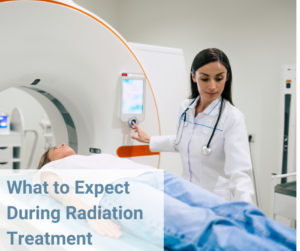
What to Expect: Radiation Therapy
Radiation therapy is a highly targeted treatment that uses high-energy rays to destroy cancer cells. It’s designed to minimize damage


Radiation therapy is a highly targeted treatment that uses high-energy rays to destroy cancer cells. It’s designed to minimize damage

Ovarian cancer is often called the “silent cancer” because its early symptoms can be mistaken for other conditions. Understanding risk

The holiday season is often associated with joy, celebration, and togetherness. However, for those navigating a cancer diagnosis, it can

At Oncologics, we understand that learning you may need breast care can feel overwhelming. Our team specializes in providing radiation

Brain Cancer Awareness is about more than a diagnosis—it’s about education, early detection, and support for those impacted. Although brain
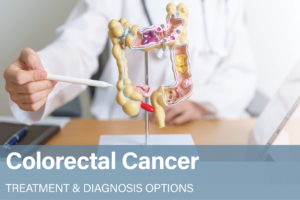
Colorectal cancer remains a global health concern, but progress in early detection and treatment offers hope.
Diagnosis:
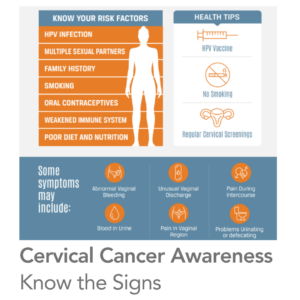
In early stages, cervical cancer may not cause noticeable symptoms. As it progresses, some signs may include:

Chronic joint and tissue pain affects millions of people, often limiting mobility, diminishing quality of life, and making even simple daily activities feel like a challenge. While surgery and long-term medication have traditionally been the go-to solutions, many patients are seeking alternatives that are less invasive and more sustainable.

Prostate health is a vital yet often overlooked aspect of men’s overall well-being. As men age, the prostate, a small gland located below the bladder, can become more susceptible to conditions such as benign prostatic hyperplasia (BPH), prostatitis, and prostate cancer. Understanding the importance of prevention, early detection, and healthy habits can empower individuals to take proactive steps toward long-term health.

Learn about prostate cancer risks, symptoms, and when to get screened.

LAFAYETTE, LA — August 1, 2026 — OncoLogics, a premier provider of advanced cancer care across the Acadiana region, today announced a new collaboration with JointGlow to offer low-dose radiotherapy (LDRT) to patients suffering from chronic musculoskeletal pain, osteoarthritis and inflammatory tissue disorders. LDRT is an FDA-cleared, highly effective, non-invasive joint pain treatment option offering patients long-term relief without surgery or steroids.
Lafayette, La. — May 27, 2026 — OncoLogics today announced the installation and launch of a next-generation radiation therapy platform at its Our Lady of Lourdes location, further strengthening access to sophisticated cancer treatment technology for patients across Lafayette and Acadiana.