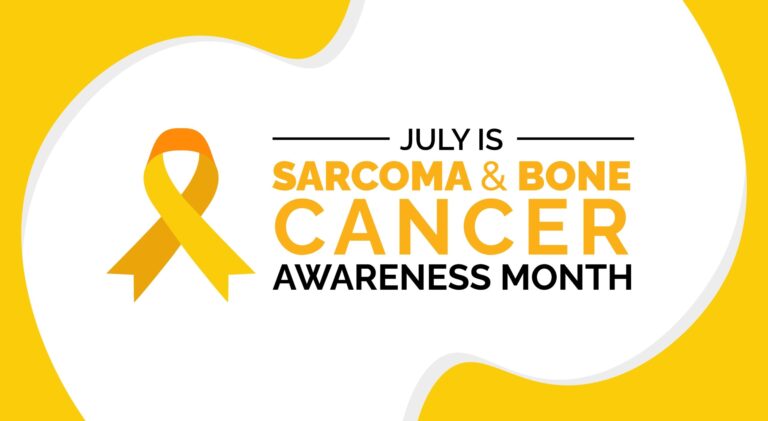
July is Sarcoma and Bone Cancer Awareness Month—a time to shed light on a group of rare but serious cancers that often go unnoticed. While they make up only about 1% of all adult cancers, sarcomas can affect anyone at any age, and early detection can make a significant difference.
What Are Sarcomas?
Sarcomas are cancers that begin in the body’s connective tissues—like bone, muscle, fat, cartilage, or blood vessels. They are broadly divided into:
Bone sarcomas, such as osteosarcoma or Ewing sarcoma
Soft tissue sarcomas, which can form in fat, muscles, nerves, tendons, or blood vessels
These cancers can appear anywhere in the body, but are often found in the arms, legs, or abdomen.
Signs and Symptoms to Watch For
Sarcomas can be difficult to detect early, but being aware of the warning signs is crucial:
A new lump or mass that grows over time
Persistent pain in a bone or soft tissue area
Swelling or tenderness around a bone
Fatigue or weight loss (in later stages)
If you notice any unusual symptoms—especially a lump that’s growing or pain that doesn’t go away—contact your doctor for evaluation.
How Are Sarcomas Diagnosed and Treated?
Diagnosis often involves imaging (like MRI or CT scans) and a biopsy. Because sarcomas are so rare and complex, it’s important to seek care from a team experienced in treating these cancers.
Treatment may include:
Surgery to remove the tumor
Radiation therapy to shrink or target the cancer
Chemotherapy or targeted therapy, depending on the type and stage
Why Awareness Matters
Because sarcomas are rare, they often don’t get the attention or funding that more common cancers do. Awareness leads to earlier diagnoses, better outcomes, and stronger support for those impacted by these challenging diseases.
If you or a loved one has questions about sarcoma symptoms or treatment options, our care team is here to help.