The Power of Healthy Lifestyle Practices for Cancer Prevention
As we commemorate National Cancer Prevention Month, it is crucial to recognize the importance of early detection and screening in
December 21-22, 2024 – Closed
December 23-24, 2024 – Open 8:00 AM – 5:00 PM
December 25, 2024 – Closed
December 26-27, 2024 – Open 8:00 AM – 5:00 PM
December 28-29, 2024 – Closed
December 30-31, 2024 – Open 8:00 AM – 5:00 PM
January 1, 2024 – Closed
January 2-3, 2024 – Open 8:00 AM – 5:00 PM
As of the afternoon of January 23, 2025, our phones are operational. Thank you for your patience as our phone provider experienced a national outage that impacted our phone services on the afternoon of January 22 and the morning of January 23.
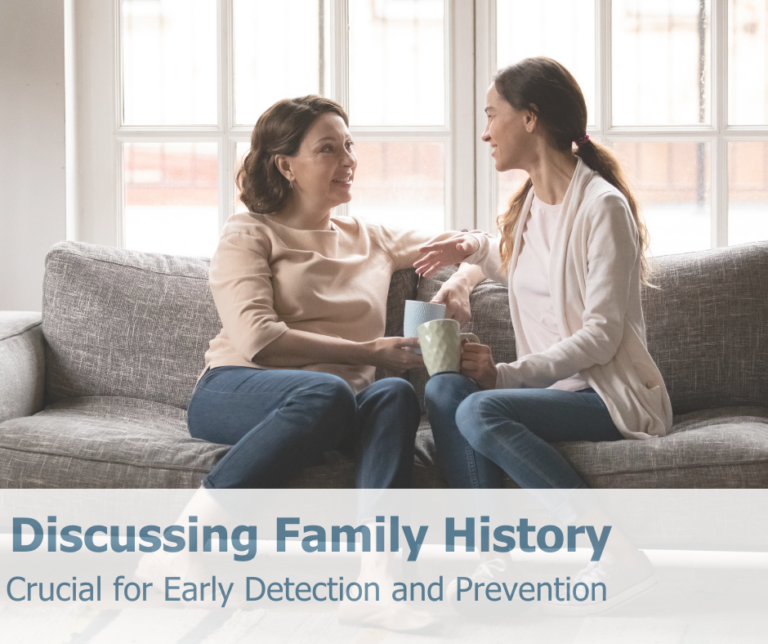
Understanding your family history of cancer is a vital step in cancer prevention, early detection, and effective treatment. Many cancers have genetic components, meaning they can be influenced by inherited genetic mutations. By discussing and knowing your family history, you can take proactive steps to manage your health and reduce your risk of developing cancer.
What is Family History of Cancer?
Family history of cancer refers to the occurrence of cancer within a family, often across multiple generations. This history can include parents, siblings, children, and extended family members such as aunts, uncles, and grandparents. Certain types of cancer, such as breast, ovarian, colorectal, and prostate cancer, are more likely to have a hereditary component.
Why is Family History Important?
– Risk Assessment: Knowing your family history helps in assessing your risk of developing certain types of cancer. If multiple family members have had the same type of cancer, or if cancers occurred at a younger age, your risk may be higher.
– Early Detection: Being aware of your family history can lead to earlier and more frequent screenings. Early detection often means that cancer can be treated more effectively, increasing the chances of successful outcomes.
– Preventive Measures: Understanding your genetic risk can help you take preventive measures, such as lifestyle changes, prophylactic surgeries, or chemoprevention. For instance, individuals with a strong family history of colorectal cancer might start colonoscopies at an earlier age.
– Personalized Treatment: In the event of a cancer diagnosis, knowing your family history can guide personalized treatment plans. Certain genetic mutations may respond better to specific treatments, and this information can be vital for oncologists.
How to Gather Family History Information
– Talk to Relatives: Start by having conversations with family members about their health history, specifically any instances of cancer. Ask about the type of cancer, age at diagnosis, and any treatments they received.
– Medical Records: Whenever possible, obtain medical records to confirm the details. This can help provide accurate information for your healthcare provider.
– Create a Family Tree: Documenting your family history in a visual format, such as a family tree, can help you and your healthcare provider see patterns more clearly.
– Genetic Counseling: If you have a strong family history of cancer, consider speaking with a genetic counselor. They can help assess your risk and may recommend genetic testing to look for specific inherited mutations.
What to Do with This Information
– Share with Your Healthcare Provider: Make sure your doctor is aware of your family history. This information is critical for determining the appropriate screenings and preventive measures.
– Regular Screenings: Based on your family history, your doctor may recommend starting screenings at an earlier age or having them more frequently.
– Healthy Lifestyle: Maintain a healthy lifestyle by eating a balanced diet, exercising regularly, avoiding tobacco, and limiting alcohol consumption. These habits can reduce your overall cancer risk.
– Stay Informed: Keep up to date with the latest research and recommendations related to hereditary cancers. Knowledge is power, and staying informed can help you make better decisions about your health.
Understanding the importance of family history in cancer can empower you to take control of your health. By being proactive, you can reduce your risk, catch potential issues early, and seek personalized treatment if needed. Remember, knowing your family’s cancer history is a vital tool in the fight against cancer, and sharing this information with your healthcare provider is a crucial step in safeguarding your future.

As we commemorate National Cancer Prevention Month, it is crucial to recognize the importance of early detection and screening in

Prevention is critical when it comes to Cervical cancer. By adopting healthy lifestyle choices and taking advantage of available vaccinations,

Learn about prostate cancer risks, symptoms, and when to get screened.

Medical advancements have significantly improved the treatment options available for skin cancer, which is crucial as it remains one of

Colorectal cancer is a prevalent and potentially life-threatening disease, but it’s often treatable when detected early. Recognizing the symptoms of

Kidney stones are hard masses that form from crystals in the urine. Sometimes, they do not have recognizable symptoms, but

Cervical cancer is a serious health condition that affects thousands of women worldwide. Recognizing the symptoms and seeking medical attention

Learn about prostate cancer risks, symptoms, and when to get screened.

Learn the signs of breast cancer, the importance of screening, and how early detection can improve outcomes.

At Oncologics, we understand that learning you may need prostate care can feel overwhelming. Our team specializes in providing radiation oncology services with a patient-first approach, combining advanced technology, compassionate care, and personalized treatment planning.
OncoLogics today announced the installation and launch of a next-generation radiation therapy platform at its Our Lady of Lourdes location, further strengthening access to sophisticated cancer treatment technology for patients across Lafayette and Acadiana.