The 3 Common Cancers Affecting Men
Men’s Health Month is the perfect time to raise awareness about the health challenges men face and encourage proactive steps
December 21-22, 2024 – Closed
December 23-24, 2024 – Open 8:00 AM – 5:00 PM
December 25, 2024 – Closed
December 26-27, 2024 – Open 8:00 AM – 5:00 PM
December 28-29, 2024 – Closed
December 30-31, 2024 – Open 8:00 AM – 5:00 PM
January 1, 2024 – Closed
January 2-3, 2024 – Open 8:00 AM – 5:00 PM
As of the afternoon of January 23, 2025, our phones are operational. Thank you for your patience as our phone provider experienced a national outage that impacted our phone services on the afternoon of January 22 and the morning of January 23.
As the sun shines brighter and temperatures rise, summer invites us to spend more time outdoors enjoying various activities. However, the increased exposure to the sun’s ultraviolet (UV) rays also heightens the risk of skin cancer, the most common cancer in the United States. Understanding how to protect your skin is crucial for a healthy and enjoyable summer.
Understanding Skin Cancer
Skin cancer occurs when abnormal cells in the skin grow uncontrollably. The main types include:
1. Basal Cell Carcinoma (BCC): The most common and usually the least aggressive type.
2. Squamous Cell Carcinoma (SCC): Can be more aggressive than BCC but is also highly treatable when caught early.
3. Melanoma: The most dangerous form, capable of spreading to other parts of the body. Early detection is key to successful treatment.
The Role of UV Rays
UV rays from the sun and tanning beds are the primary cause of skin cancer. They damage the DNA in skin cells, leading to mutations that can result in cancer. Both UVA and UVB rays contribute to skin damage, including premature aging and sunburns, which are indicators of potential skin cancer risk.
Tips for Protecting Your Skin
Use Sunscreen
Applying a broad-spectrum sunscreen with an SPF of at least 30 is one of the most effective ways to protect your skin. Remember to:
• Apply 15 minutes before going outside.
• Reapply every two hours, or more frequently if swimming or sweating.
• Use a generous amount to cover all exposed skin, including often-missed areas like the ears, back of the neck, and tops of the feet.
Seek Shade
The sun’s rays are strongest between 10 a.m. and 4 p.m. Whenever possible, seek shade during these hours to minimize direct exposure. Trees, umbrellas, and canopies can provide effective protection.
Wear Protective Clothing
Clothing can offer a physical barrier against UV rays. Consider wearing:
• Long-sleeved shirts and long pants made from tightly woven fabric.
• A wide-brimmed hat to protect your face, neck, and ears.
• UV-blocking sunglasses to protect your eyes and the sensitive skin around them.
Avoid Tanning Beds
Tanning beds emit UV radiation that can be even more intense than the sun. Avoiding them altogether is the best choice for your skin’s health.
Stay Hydrated
Hydration helps maintain healthy skin and overall well-being. Drink plenty of water, especially when spending time outdoors.
Regular Skin Checks
Performing regular self-examinations can help detect skin cancer early. Look for new or changing moles, spots, or lesions. The ABCDE rule can help identify potential melanomas:
• Asymmetry: One half of the mole doesn’t match the other.
• Border: Irregular, scalloped, or poorly defined borders.
• Color: Varied colors from one area to another.
• Diameter: Melanomas are usually larger than 6mm (about the size of a pencil eraser) but can be smaller.
• Evolving: Any change in size, shape, color, or symptoms (itching, bleeding).
If you notice anything suspicious, consult a dermatologist promptly.
Enjoying the Sun Safely
While it’s important to protect your skin, you can still enjoy outdoor activities this summer. Here are a few tips to balance sun protection with summer fun:
• Plan outdoor activities for early morning or late afternoon when the sun is less intense.
• Create shaded areas for play and relaxation.
• Incorporate sun protection into your daily routine to make it a habit.
Skin cancer is largely preventable with the right precautions. By adopting sun-safe habits, you can enjoy the summer sun while minimizing your risk. Remember, protecting your skin today can help ensure a healthier tomorrow. Stay safe, stay protected, and enjoy your summer!

Men’s Health Month is the perfect time to raise awareness about the health challenges men face and encourage proactive steps

Being diagnosed with brain cancer can feel overwhelming, but treatment has come a long way. Depending on the type, size,

Being diagnosed with skin cancer can be overwhelming—but the good news is that skin cancer is often highly treatable, especially

As we honor National Cancer Prevention Month, it is important to know the factors that can contribute to the development

Cervical cancer can be treated in various ways, depending on the type of cancer and its stage. Here are the

Thinking about scheduling your prostate cancer screening? One way to test for prostate cancer is a prostate-specific antigen level test,

Men’s Health Month is the perfect time to raise awareness about the health challenges men face and encourage proactive steps

Chronic joint and tissue pain affects millions of people, often limiting mobility, diminishing quality of life, and making even simple daily activities feel like a challenge. While surgery and long-term medication have traditionally been the go-to solutions, many patients are seeking alternatives that are less invasive and more sustainable.
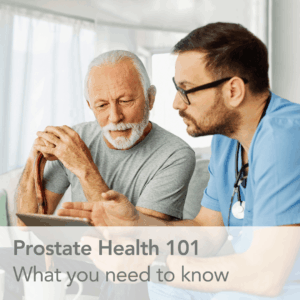
Prostate health is a vital yet often overlooked aspect of men’s overall well-being. As men age, the prostate, a small gland located below the bladder, can become more susceptible to conditions such as benign prostatic hyperplasia (BPH), prostatitis, and prostate cancer. Understanding the importance of prevention, early detection, and healthy habits can empower individuals to take proactive steps toward long-term health.
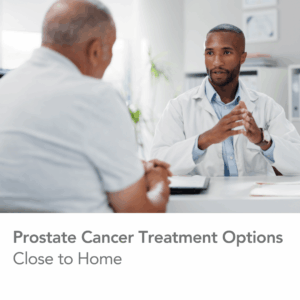
Learn about prostate cancer risks, symptoms, and when to get screened.
LAFAYETTE, LA — August 1, 2026 — OncoLogics, a premier provider of advanced cancer care across the Acadiana region, today announced a new collaboration with JointGlow to offer low-dose radiotherapy (LDRT) to patients suffering from chronic musculoskeletal pain, osteoarthritis and inflammatory tissue disorders. LDRT is an FDA-cleared, highly effective, non-invasive joint pain treatment option offering patients long-term relief without surgery or steroids.
Lafayette, La. — May 27, 2026 — OncoLogics today announced the installation and launch of a next-generation radiation therapy platform at its Our Lady of Lourdes location, further strengthening access to sophisticated cancer treatment technology for patients across Lafayette and Acadiana.