Follow-Up Care After Breast Cancer
Completing breast cancer treatment is a huge milestone, but your care doesn’t stop there. Follow-up care helps ensure your recovery
December 21-22, 2024 – Closed
December 23-24, 2024 – Open 8:00 AM – 5:00 PM
December 25, 2024 – Closed
December 26-27, 2024 – Open 8:00 AM – 5:00 PM
December 28-29, 2024 – Closed
December 30-31, 2024 – Open 8:00 AM – 5:00 PM
January 1, 2024 – Closed
January 2-3, 2024 – Open 8:00 AM – 5:00 PM
As of the afternoon of January 23, 2025, our phones are operational. Thank you for your patience as our phone provider experienced a national outage that impacted our phone services on the afternoon of January 22 and the morning of January 23.
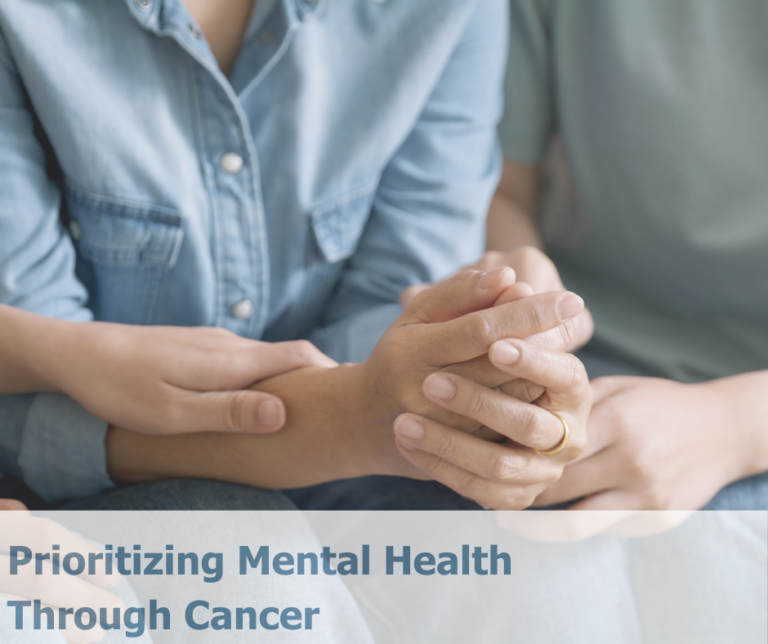
Mental Health Awareness Month is a crucial time to highlight the psychological impact of chronic illnesses, including cancer. The diagnosis, treatment, and ongoing management of cancer can have significant emotional and psychological effects, not only on patients but also on their families and caregivers. Addressing the mental health needs of those affected by cancer is vital for comprehensive care.
Understanding the Connection
Emotional Impact: A cancer diagnosis can trigger a wide range of emotions, from shock and fear to anger and despair. The uncertainty and fear of recurrence are common among survivors, affecting their mental health long after treatment has ended.
Stress: Dealing with cancer can be incredibly stressful, involving challenging treatment regimens, financial strain, and changes in life plans. Chronic stress can exacerbate mental health issues like depression and anxiety.
Quality of Life: Mental health directly influences the quality of life in cancer patients and survivors. Depression, anxiety, and stress can affect the ability to enjoy life and stay active, and can also impact physical health and recovery.
Strategies to Support Mental Health During Cancer
Professional Support: Psychological counseling or psychotherapy can be beneficial for patients and their families. These services provide strategies to cope with emotional distress and manage the mental health challenges of living with cancer.
Support Groups: Participating in support groups can offer a sense of community and mutual support. Sharing experiences with others who understand can significantly reduce feelings of isolation and helplessness.
Mind-Body Techniques: Practices such as mindfulness, meditation, yoga, and relaxation techniques can help manage anxiety and stress, improve mood, and enhance overall well-being.
Education and Awareness: Educating patients, families, and the public about the mental health challenges associated with cancer can help normalize these experiences and encourage people to seek help. Awareness campaigns during Mental Health Awareness Month can highlight these issues.
Integrated Care: Healthcare providers can offer integrated care that addresses both the physical and mental health needs of cancer patients. This approach recognizes the interconnection between mind and body health.
Mental Health Awareness Month is an opportune time to acknowledge and address the mental health struggles faced by those dealing with cancer. By integrating mental health support into cancer care, providing resources for stress management, and fostering a supportive community, we can help improve the lives of those affected by cancer. This holistic approach not only helps in managing the disease but also improves the overall health outcomes and quality of life for patients and their families.

Completing breast cancer treatment is a huge milestone, but your care doesn’t stop there. Follow-up care helps ensure your recovery

Nutrition plays a vital role in maintaining strength and supporting the immune system during cancer treatment. As we enter the

As you prepare to send your kids back to school, the to-do lists and back-to-school shopping start to pile up.

Sleep is an essential aspect of our lives that is often overlooked. While we sleep, our body and mind recharge,

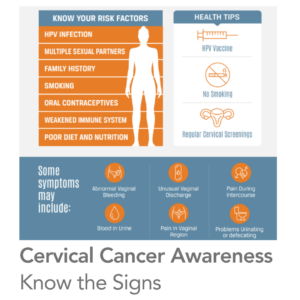
Cervical cancer can be treated in various ways, depending on the type of cancer and its stage. Here are the

September is Gynecologic Cancer Awareness Month, a time dedicated to raising awareness about the five main types of gynecologic cancers:

As family travels from near and far to be together during the holiday season, it’s an opportune time for you

Chronic joint and tissue pain affects millions of people, often limiting mobility, diminishing quality of life, and making even simple daily activities feel like a challenge. While surgery and long-term medication have traditionally been the go-to solutions, many patients are seeking alternatives that are less invasive and more sustainable.

Prostate health is a vital yet often overlooked aspect of men’s overall well-being. As men age, the prostate, a small gland located below the bladder, can become more susceptible to conditions such as benign prostatic hyperplasia (BPH), prostatitis, and prostate cancer. Understanding the importance of prevention, early detection, and healthy habits can empower individuals to take proactive steps toward long-term health.
Learn about prostate cancer risks, symptoms, and when to get screened.
LAFAYETTE, LA — August 1, 2026 — OncoLogics, a premier provider of advanced cancer care across the Acadiana region, today announced a new collaboration with JointGlow to offer low-dose radiotherapy (LDRT) to patients suffering from chronic musculoskeletal pain, osteoarthritis and inflammatory tissue disorders. LDRT is an FDA-cleared, highly effective, non-invasive joint pain treatment option offering patients long-term relief without surgery or steroids.
Lafayette, La. — May 27, 2026 — OncoLogics today announced the installation and launch of a next-generation radiation therapy platform at its Our Lady of Lourdes location, further strengthening access to sophisticated cancer treatment technology for patients across Lafayette and Acadiana.