The Power of Exercise During Treatment
Cancer treatment can be physically and emotionally demanding, but incorporating exercise into your routine can significantly improve your overall well-being.
December 21-22, 2024 – Closed
December 23-24, 2024 – Open 8:00 AM – 5:00 PM
December 25, 2024 – Closed
December 26-27, 2024 – Open 8:00 AM – 5:00 PM
December 28-29, 2024 – Closed
December 30-31, 2024 – Open 8:00 AM – 5:00 PM
January 1, 2024 – Closed
January 2-3, 2024 – Open 8:00 AM – 5:00 PM
As of the afternoon of January 23, 2025, our phones are operational. Thank you for your patience as our phone provider experienced a national outage that impacted our phone services on the afternoon of January 22 and the morning of January 23.
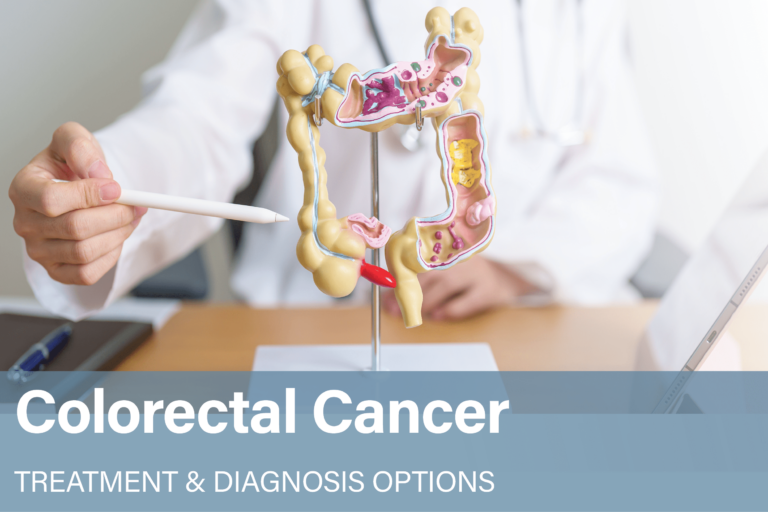
Colorectal cancer remains a global health concern, but progress in early detection and treatment offers hope.
Diagnosis:
Treatment Options:
Surgery: Surgery is often the primary treatment for colorectal cancer. The goal of surgery is to remove the cancerous tumor and any surrounding affected tissue. Depending on the stage and location of the cancer, surgical options may include polypectomy, local excision, colectomy, or ostomy procedures.
Chemotherapy: Chemotherapy may be used before or after surgery to shrink tumors, kill cancer cells, or prevent the spread of cancer to other parts of the body. Chemotherapy drugs may be administered orally, intravenously, or directly into the abdominal cavity, depending on the specific treatment plan.
Radiation Therapy: Radiation therapy uses high-energy beams to target and destroy cancer cells. It may be used alone or in combination with surgery and chemotherapy to treat colorectal cancer, particularly in cases where the cancer has spread to nearby tissues or lymph nodes.
Targeted Therapy: Targeted therapy drugs are designed to specifically target cancer cells while minimizing damage to healthy cells. These drugs may be used in combination with chemotherapy or as standalone treatments for advanced colorectal cancer that has not responded to other therapies.
Immunotherapy: Immunotherapy works by stimulating the body’s immune system to recognize and attack cancer cells. While not yet a standard treatment for colorectal cancer, ongoing research is exploring the potential of immunotherapy drugs in treating advanced or recurrent colorectal cancer.
By understanding the diagnostic procedures and treatment options available, patients and their caregivers can make informed decisions about their care and work towards the best possible outcomes. Regular screening, early detection, and timely intervention remain the cornerstones of successful colorectal cancer management.

Cancer treatment can be physically and emotionally demanding, but incorporating exercise into your routine can significantly improve your overall well-being.

Nutrition plays a vital role in maintaining strength and supporting the immune system during cancer treatment. As we enter the

As the year comes to a close, many of us start thinking about resolutions and fresh starts. But when it

Testicular cancer originates in the testicles, vital organs responsible for sperm and hormone production in men. While comparatively rare, it

September is a pivotal month in cancer awareness, shining a spotlight on leukemia and lymphoma. We are dedicated to providing

As you prepare to send your kids back to school, the to-do lists and back-to-school shopping start to pile up.

Cervical cancer is a serious health condition that affects thousands of women worldwide. Recognizing the symptoms and seeking medical attention

Chronic joint and tissue pain affects millions of people, often limiting mobility, diminishing quality of life, and making even simple daily activities feel like a challenge. While surgery and long-term medication have traditionally been the go-to solutions, many patients are seeking alternatives that are less invasive and more sustainable.

Prostate health is a vital yet often overlooked aspect of men’s overall well-being. As men age, the prostate, a small gland located below the bladder, can become more susceptible to conditions such as benign prostatic hyperplasia (BPH), prostatitis, and prostate cancer. Understanding the importance of prevention, early detection, and healthy habits can empower individuals to take proactive steps toward long-term health.

Learn about prostate cancer risks, symptoms, and when to get screened.

LAFAYETTE, LA — August 1, 2026 — OncoLogics, a premier provider of advanced cancer care across the Acadiana region, today announced a new collaboration with JointGlow to offer low-dose radiotherapy (LDRT) to patients suffering from chronic musculoskeletal pain, osteoarthritis and inflammatory tissue disorders. LDRT is an FDA-cleared, highly effective, non-invasive joint pain treatment option offering patients long-term relief without surgery or steroids.
Lafayette, La. — May 27, 2026 — OncoLogics today announced the installation and launch of a next-generation radiation therapy platform at its Our Lady of Lourdes location, further strengthening access to sophisticated cancer treatment technology for patients across Lafayette and Acadiana.