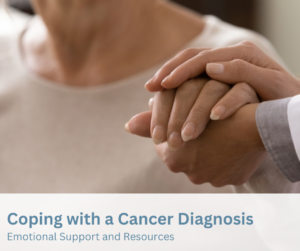
Coping with a Cancer Diagnosis
A cancer diagnosis can bring a wave of emotions—fear, anxiety, sadness, and even anger. While these feelings are normal, finding

(All Locations)
Wednesday, Nov. 25: 7:30 AM – 4:30 PM Thursday, Nov. 26: Closed Friday, Nov. 27: Closed
Thursday, Dec. 24: 7:30 AM – 4:30 PM Friday, Dec. 25: Closed
Thursday, Dec. 31: 7:30 AM – 4:30 PM Friday, Jan. 1: Closed
Sleep is an essential aspect of our lives that is often overlooked. While we sleep, our body and mind recharge, and we wake up feeling refreshed and ready to tackle the day. However, lack of sleep can have a profound impact on our mental health, affecting our mood, emotions, and cognitive function. We will explore the relationship between sleep and mental health and the impact of sleep deprivation on our mental well-being.
Sleep is critical for our physical and mental health. While we sleep, our bodies repair and rejuvenate, and our brains consolidate memories and process emotions. Sleep also helps regulate our immune system, hormone levels, and metabolism. Adults should aim for 7-9 hours of sleep each night, although individual needs may vary.
Sleep and mental health are closely intertwined. Good quality sleep is essential for our mental health, while poor sleep can worsen existing mental health conditions. People who experience sleep problems are more likely to develop mental health problems, including anxiety, depression, and bipolar disorder.
Sleep deprivation can affect our mood, making us more irritable, anxious, or depressed. It can also impair our ability to regulate our emotions and make it more difficult to cope with stress. Lack of sleep can also affect our cognitive function, leading to problems with attention, memory, and decision-making.
Chronic sleep deprivation can have a significant impact on our mental health. People who consistently get less than the recommended amount of sleep are more likely to experience mood disorders, such as depression and anxiety. Lack of sleep can also worsen existing mental health conditions, making them more difficult to manage.
Sleep deprivation can also increase the risk of suicidal thoughts and behaviors. People who experience sleep problems are more likely to experience feelings of hopelessness, worthlessness, and despair, all of which can increase the risk of suicide.
In addition to its impact on mental health, sleep deprivation can also affect our physical health. Chronic sleep deprivation can increase the risk of obesity, diabetes, cardiovascular disease, and other health problems.
Improving sleep quality can have a significant impact on mental health. Some tips for improving sleep quality include:
Sleep is critical for our physical and mental health. Lack of sleep can have a significant impact on our mental health, affecting our mood, emotions, and cognitive function. Chronic sleep deprivation can increase the risk of developing mental health problems, worsen existing conditions, and increase the risk of suicide. Improving sleep quality can have a significant impact on mental health, so it’s essential to prioritize good sleep habits to maintain our mental well-being.

A cancer diagnosis can bring a wave of emotions—fear, anxiety, sadness, and even anger. While these feelings are normal, finding


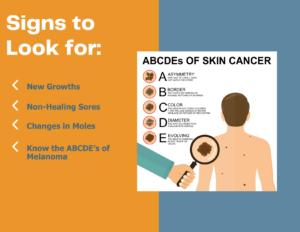
Detecting skin cancer early can make a significant difference in treatment outcomes. Learn more about practical steps for prevention and

Before determining a treatment plan, your oncologist will evaluate the stage of breast cancer. The stage describes the extent of

As the year comes to a close, many of us start thinking about resolutions and fresh starts. But when it
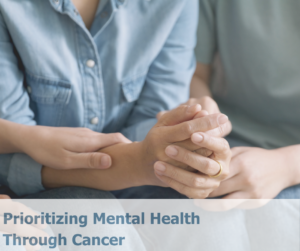
Mental Health Awareness Month is a crucial time to highlight the psychological impact of chronic illnesses, including cancer. The diagnosis,

Breast cancer affects millions of lives in the United States alone. We embrace the color pink this month to raise

Exercise is known to have a number of health benefits and helps sustain a higher quality of life. The amount

Chronic joint and tissue pain affects millions of people, often limiting mobility, diminishing quality of life, and making even simple daily activities feel like a challenge. While surgery and long-term medication have traditionally been the go-to solutions, many patients are seeking alternatives that are less invasive and more sustainable.

Prostate health is a vital yet often overlooked aspect of men’s overall well-being. As men age, the prostate, a small gland located below the bladder, can become more susceptible to conditions such as benign prostatic hyperplasia (BPH), prostatitis, and prostate cancer. Understanding the importance of prevention, early detection, and healthy habits can empower individuals to take proactive steps toward long-term health.

Learn about prostate cancer risks, symptoms, and when to get screened.

LAFAYETTE, LA — August 1, 2026 — OncoLogics, a premier provider of advanced cancer care across the Acadiana region, today announced a new collaboration with JointGlow to offer low-dose radiotherapy (LDRT) to patients suffering from chronic musculoskeletal pain, osteoarthritis and inflammatory tissue disorders. LDRT is an FDA-cleared, highly effective, non-invasive joint pain treatment option offering patients long-term relief without surgery or steroids.
Lafayette, La. — May 27, 2026 — OncoLogics today announced the installation and launch of a next-generation radiation therapy platform at its Our Lady of Lourdes location, further strengthening access to sophisticated cancer treatment technology for patients across Lafayette and Acadiana.