Cervical Cancer Prevention: The Role of HPV Vaccination
When it comes to preventing cervical cancer, the HPV vaccine is one of the most powerful tools available. Human papillomavirus
December 21-22, 2024 – Closed
December 23-24, 2024 – Open 8:00 AM – 5:00 PM
December 25, 2024 – Closed
December 26-27, 2024 – Open 8:00 AM – 5:00 PM
December 28-29, 2024 – Closed
December 30-31, 2024 – Open 8:00 AM – 5:00 PM
January 1, 2024 – Closed
January 2-3, 2024 – Open 8:00 AM – 5:00 PM
As of the afternoon of January 23, 2025, our phones are operational. Thank you for your patience as our phone provider experienced a national outage that impacted our phone services on the afternoon of January 22 and the morning of January 23.
Cancer is a disease that affects millions of people worldwide, and while there are many factors that contribute to cancer, there are also many preventative measures that women can take to reduce their risk. This Women’s Health Week, we will explore some of the best practices women can follow to lessen their chance of developing cancer.
One of the best things you can do for your health is to maintain a healthy and balanced diet. Eating a diet rich in fruits, vegetables, and whole grains can help provide the nutrients and antioxidants your body needs to fight cancer. Additionally, reducing your consumption of processed foods, red meat, and sugary drinks can help lower your cancer risk.
Exercise is not only beneficial for maintaining a healthy weight, but it can also help reduce the risk of cancer. Regular exercise has been linked to a lower risk of breast, colon, and endometrial cancers. Aim for at least 150 minutes of moderate-intensity exercise per week, such as brisk walking, cycling, or swimming.
Excessive alcohol consumption has been linked to an increased risk of several cancers, including breast, liver, and colorectal cancers. It is recommended that women limit their alcohol consumption to one drink per day or less.
Smoking is a leading cause of cancer, including lung, throat, and bladder cancers. Quitting smoking is one of the most effective ways to reduce your cancer risk, and there are many resources available to help you quit, such as nicotine replacement therapy and support groups.
Excessive sun exposure can increase the risk of skin cancer, including melanoma, which is the deadliest form of skin cancer. To reduce your risk, avoid tanning beds, wear protective clothing, and use a broad-spectrum sunscreen with an SPF of 30 or higher.
Regular cancer screenings can help detect cancer early when it is most treatable. Talk to your healthcare provider about the recommended cancer screenings for your age and risk factors. Examples of screening tests include mammograms for breast cancer, Pap tests for cervical cancer, and colonoscopies for colon cancer.
Chronic stress can weaken the immune system and increase inflammation in the body, both of which can contribute to cancer. Practicing stress-reducing activities such as yoga, meditation, or mindfulness can help reduce stress and promote overall health.
Start now! Make plans to incorporate these practices into your daily life. You can take control of your health and reduce your risk of cancer.

When it comes to preventing cervical cancer, the HPV vaccine is one of the most powerful tools available. Human papillomavirus

February is Heart Health Month, and protecting cardiovascular health is an important part of cancer care. Modern oncology focuses not

March is Colorectal Cancer Awareness Month, a time to highlight the importance of screening, prevention, and early detection. Colon cancer

As we commemorate National Cancer Prevention Month, it is crucial to recognize the importance of early detection and screening in

Even gentle movement can reduce fatigue, improve your mood, and support healing.

November is Pancreatic Cancer Awareness Month, a time to shine a light on one of the deadliest cancers that, despite

Pancreatic cancer has long been one of the most challenging cancers to treat, but advances in research, treatment, and advocacy

Chronic joint and tissue pain affects millions of people, often limiting mobility, diminishing quality of life, and making even simple daily activities feel like a challenge. While surgery and long-term medication have traditionally been the go-to solutions, many patients are seeking alternatives that are less invasive and more sustainable.
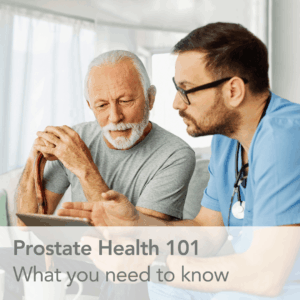
Prostate health is a vital yet often overlooked aspect of men’s overall well-being. As men age, the prostate, a small gland located below the bladder, can become more susceptible to conditions such as benign prostatic hyperplasia (BPH), prostatitis, and prostate cancer. Understanding the importance of prevention, early detection, and healthy habits can empower individuals to take proactive steps toward long-term health.
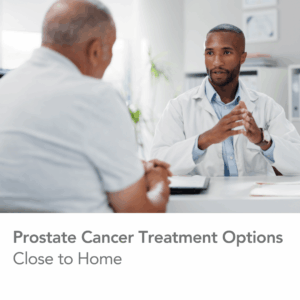
Learn about prostate cancer risks, symptoms, and when to get screened.
LAFAYETTE, LA — August 1, 2026 — OncoLogics, a premier provider of advanced cancer care across the Acadiana region, today announced a new collaboration with JointGlow to offer low-dose radiotherapy (LDRT) to patients suffering from chronic musculoskeletal pain, osteoarthritis and inflammatory tissue disorders. LDRT is an FDA-cleared, highly effective, non-invasive joint pain treatment option offering patients long-term relief without surgery or steroids.
Lafayette, La. — May 27, 2026 — OncoLogics today announced the installation and launch of a next-generation radiation therapy platform at its Our Lady of Lourdes location, further strengthening access to sophisticated cancer treatment technology for patients across Lafayette and Acadiana.