Holiday Hours:

December 21-22, 2024 – Closed

December 23-24, 2024 – Open 8:00 AM – 5:00 PM

December 25, 2024 – Closed

December 26-27, 2024 – Open 8:00 AM – 5:00 PM

December 28-29, 2024 – Closed

December 30-31, 2024 – Open 8:00 AM – 5:00 PM

January 1, 2024 – Closed

January 2-3, 2024 – Open 8:00 AM – 5:00 PM

As of the afternoon of January 23, 2025, our phones are operational. Thank you for your patience as our phone provider experienced a national outage that impacted our phone services on the afternoon of January 22 and the morning of January 23.

The Importance of Discussing Family History in Breast Cancer Risk

family history breast cancer risk

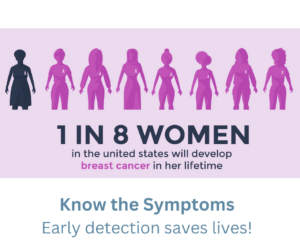
Family history plays a critical role in understanding your risk of breast cancer. Open discussions with both your family and healthcare provider can provide essential insights that could save lives.

How Family History Affects Your Risk

While most cases of breast cancer aren’t hereditary, family history can still significantly impact your risk. If one or more close relatives—such as your mother, sister, or daughter—has been diagnosed with breast cancer, particularly before age 50, your own risk is higher.

For those with a family history of breast or ovarian cancer, especially multiple relatives, there may be an increased likelihood of carrying certain genetic mutations, such as BRCA1 and BRCA2. These mutations increase the risk of developing breast and ovarian cancers at a younger age and may also raise the risk of other cancers.

What to Discuss with Your Doctor

Sharing your family’s health history with your doctor allows them to assess your risk and recommend appropriate screening or preventive measures. When discussing family history, be sure to include:

  • Any breast, ovarian, prostate, or pancreatic cancers among close relatives.
  • The age at which family members were diagnosed.
  • If any relatives have undergone genetic testing and the results.

Your doctor may recommend more frequent screenings or additional tests, such as genetic counseling or BRCA testing, based on your family history.

The Role of Genetic Testing and Counseling

For individuals with a strong family history of breast cancer, genetic testing can provide valuable information about personal cancer risk. A positive test for a genetic mutation, like BRCA1 or BRCA2, may prompt earlier or more frequent screenings and, in some cases, preventive measures such as surgery or medication.

If you’re considering genetic testing, genetic counseling can help you understand the benefits, risks, and implications of the test results. Genetic counselors are trained to guide you through the decision-making process and help you understand what the results mean for your future health.

Talking to Your Family About Breast Cancer Risk

Discussing family health history isn’t always easy, but it’s an important conversation that could protect your loved ones. Start by asking close relatives about their health, including any cancer diagnoses. Keep a record of the information, and share it with other family members who may also be at risk.

Encourage family members to get screened, especially if they’re at higher risk due to family history. By openly discussing family health, you can help ensure that everyone gets the screenings and preventive care they need.

Create a Family Health History Document

One of the best ways to track your family’s health is by creating a written family health history document. This record should include information about each family member, including any significant illnesses, cancers, and ages of diagnosis. Having this document ready can be helpful when talking to your healthcare provider and sharing information with other family members.

Knowledge is Power

Understanding and sharing your family history is a powerful tool in the fight against breast cancer. The more informed you are, the better prepared you’ll be to take control of your health and support the health of your loved ones.

Contact Us

Other Articles

Like What You See? Share With A Friend!

Latest Doctor's Blog Articles

jointglow

JointGlow: A Modern Approach to Joint Pain Relief

Chronic joint and tissue pain affects millions of people, often limiting mobility, diminishing quality of life, and making even simple daily activities feel like a challenge. While surgery and long-term medication have traditionally been the go-to solutions, many patients are seeking alternatives that are less invasive and more sustainable.

Read More »
prostate health image

Prostate Health: What Every Man Should Know

Prostate health is a vital yet often overlooked aspect of men’s overall well-being. As men age, the prostate, a small gland located below the bladder, can become more susceptible to conditions such as benign prostatic hyperplasia (BPH), prostatitis, and prostate cancer. Understanding the importance of prevention, early detection, and healthy habits can empower individuals to take proactive steps toward long-term health.

Read More »

OncoLogics, JointGlow to Offer Non-Surgical Joint Pain Treatment in Acadiana

LAFAYETTE, LA — August 1, 2026 — OncoLogics, a premier provider of advanced cancer care across the Acadiana region, today announced a new collaboration with JointGlow to offer low-dose radiotherapy (LDRT) to patients suffering from chronic musculoskeletal pain, osteoarthritis and inflammatory tissue disorders. LDRT is an FDA-cleared, highly effective, non-invasive joint pain treatment option offering patients long-term relief without surgery or steroids.

Read More »