All Posts By

[email protected]

Ovarian Cancer Awareness

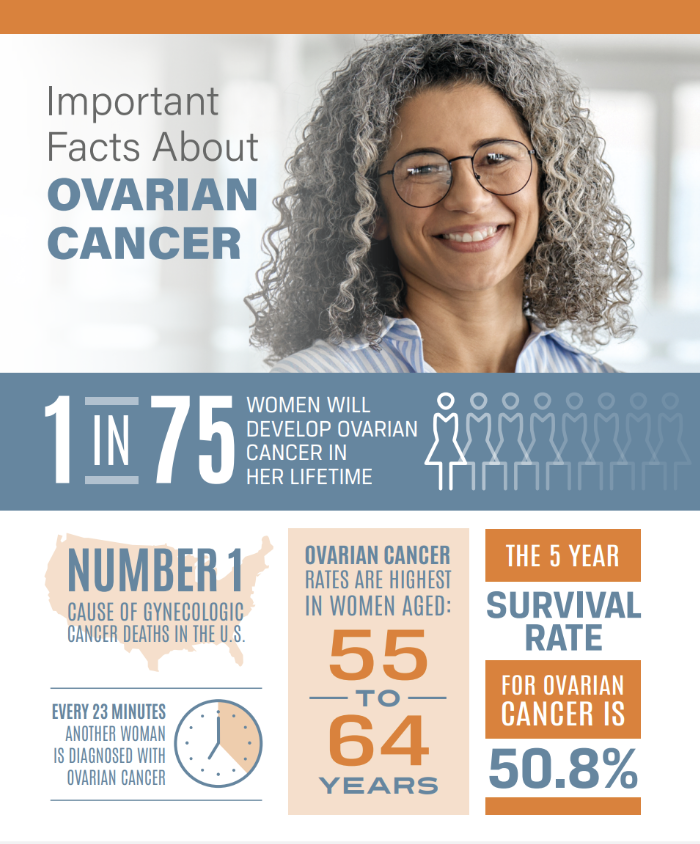
Ovarian cancer is often called the “silent cancer” because its early symptoms can be mistaken for other conditions. Understanding risk factors and warning signs is crucial.

Risk Factors

  • Age: Most cases occur in women over 50.
  • Family history: BRCA1 and BRCA2 gene mutations increase risk.
  • Reproductive history: Fewer full-term pregnancies or late pregnancies may increase risk.

Symptoms to Watch For
While subtle, the following persistent symptoms may indicate ovarian cancer:

  • Abdominal bloating or swelling
  • Pelvic or abdominal pain
  • Difficulty eating or feeling full quickly
  • Frequent urination

Diagnosis and Screening
Currently, there is no standard screening test for ovarian cancer. Diagnosis often involves imaging studies, blood tests (CA-125), and sometimes surgery. Women with a strong family history may benefit from genetic counseling and testing.

Treatment Options
Treatment often includes surgery and chemotherapy. Newer therapies, such as targeted therapy and immunotherapy, may also be considered depending on the case.

If you notice persistent changes in your body, don’t ignore them. Early evaluation could save your life.
Early Detection Saves Lives: What to Know About Gynecologic Cancers

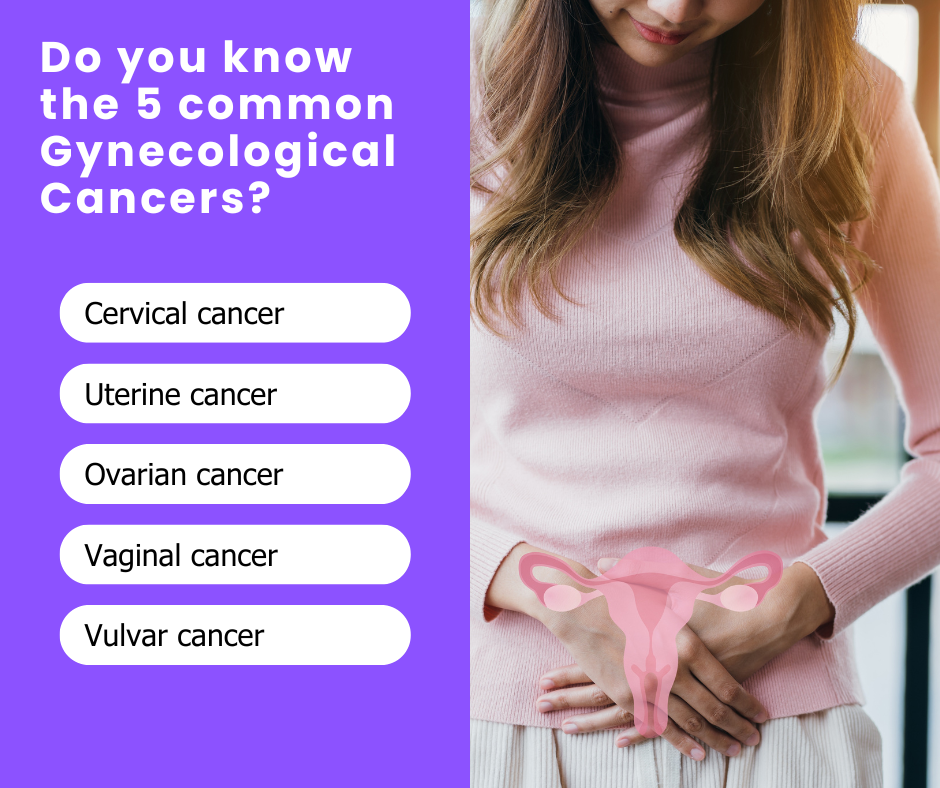
Gynecologic cancers include cancers of the cervix, ovaries, uterus, vulva, and vagina. Awareness and regular screening can make a life-saving difference.

Types of Gynecologic Cancers

  • Cervical cancer – Often linked to HPV; preventable with vaccination and routine Pap tests.
  • Ovarian cancer – Known as the “silent killer” due to vague early symptoms.
  • Uterine (endometrial) cancer – Common in postmenopausal women.
  • Vulvar and vaginal cancers – Less common, but early detection improves outcomes.

Common Symptoms

  • Abnormal vaginal bleeding or discharge
  • Pelvic pain or pressure
  • Bloating or feeling full quickly
  • Pain during intercourse
  • Changes in bowel or bladder habits

Prevention and Screening

  • HPV vaccination can dramatically reduce cervical cancer risk.
  • Pap tests and HPV tests are critical for detecting cervical changes early.
  • Regular pelvic exams help monitor overall gynecologic health.

When to See a Doctor
Any abnormal bleeding, pelvic pain, or persistent bloating should be evaluated. Early diagnosis can greatly improve treatment outcomes.

Prioritize your gynecologic health by staying up to date with screenings and listening to your body’s warning signs.

Prostate Cancer Awareness

Understanding Risk, Screening, and Treatment Options

Prostate cancer is one of the most common cancers among men, but when detected early, it is also one of the most treatable. Raising awareness about risk factors, screening guidelines, and treatment options helps men take proactive steps for their health.

Risk Factors

  • Age: Risk increases after age 50.
  • Family history: Men with a father, brother, or son diagnosed with prostate cancer face a higher risk.
  • Race: African American men have a higher incidence and more aggressive disease.
  • Lifestyle factors: Diet, obesity, and smoking may increase risk.

Symptoms
In its early stages, prostate cancer may not cause noticeable symptoms. Advanced disease can cause:

  • Difficulty urinating
  • Weak or interrupted urine flow
  • Blood in urine or semen
  • Pelvic discomfort

Screening and When to Be Tested
Screening typically involves a prostate-specific antigen (PSA) blood test and sometimes a digital rectal exam (DRE). Men should discuss screening with their provider starting at:

  • Age 50 for most men
  • Age 45 for African American men or those with a family history

Treatment Options
Treatment depends on the stage and may include active surveillance, surgery, radiation therapy, hormone therapy, or chemotherapy. Many patients live long, healthy lives after treatment.

Early detection saves lives. Talk with your provider about your risk factors and whether prostate cancer screening is right for you.

Moving Through Treatment—The Benefits of Exercise

Even gentle movement can reduce fatigue, improve your mood, and support healing.

Why staying active helps:

• Boosts energy levels and reduces fatigue
• Improves sleep and reduces anxiety
• Maintains strength, balance, and mobility

Safe ways to move:

• Walking or light stretching
• Water-based exercise
• Short, daily movement breaks

Always consult with your care team before starting something new. The goal isn’t to push your limits; it’s to move in a way that supports your well-being.

Skin Cancer Awareness

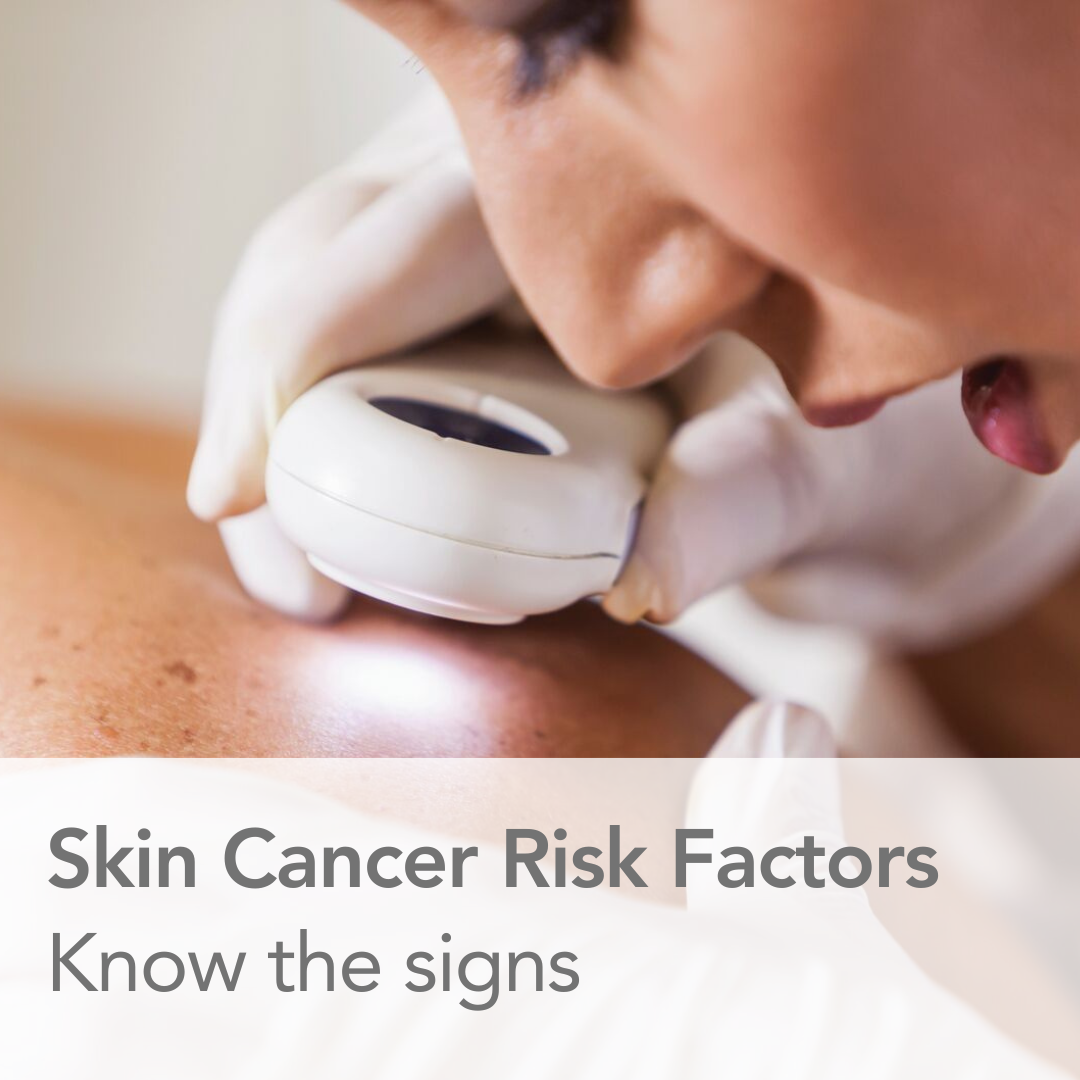
Skin cancer is the most common form of cancer in the United States, but with early detection and prevention, it’s also one of the most treatable.

What is skin cancer?

Skin cancer occurs when abnormal cells grow in the skin’s layers, often due to exposure to ultraviolet (UV) radiation from the sun or tanning beds. The most common types include basal cell carcinoma, squamous cell carcinoma, and melanoma—the most serious form.

Who is at risk?

While anyone can develop skin cancer, your risk increases if you:
• Spend a lot of time in the sun
• Have a history of sunburns
• Use tanning beds
• Have fair skin or light-colored eyes
• Have a family history of skin cancer

How to protect yourself:

– Apply broad-spectrum sunscreen with SPF 30+ daily
– Wear protective clothing, hats, and sunglasses
– Stay in the shade during peak hours (10 a.m.–4 p.m.)
– Reapply sunscreen every two hours, or after swimming or sweating
– Check your skin regularly for new or changing spots

Know the signs of skin cancer:

Use the ABCDE rule when checking moles or spots:

• Asymmetry
• Border irregularity
• Color variation
• Diameter larger than 6mm
• Evolving shape or size

If you notice something suspicious, don’t wait—early detection saves lives. Talk to your provider if you have questions or concerns about your skin health.

The Power of Sleep During Cancer Treatment

Sleep is a key part of healing, especially during cancer treatment. Your body uses this time to restore itself, manage stress, and support your immune system. Unfortunately, many people undergoing treatment find it difficult to sleep well.

Why sleep matters:

• Helps your body recover from treatment
• Reduces fatigue and emotional stress
• Strengthens immune function

Tips for better sleep during treatment:

• Stick to a regular sleep schedule
• Keep your bedroom cool, dark, and quiet
• Avoid screen time before bed
• Try calming routines like reading, music, or meditation
• Let your care team know if pain or nausea is interrupting sleep

Good sleep supports healing, and we’re here to help if you’re struggling. Don’t hesitate to bring up sleep concerns at your next appointment.

Cancer and Nutrition: Eating Well in the Heat of Summer

Good nutrition is essential during cancer treatment, and summer offers a bounty of seasonal foods that can help you feel your best. Fresh fruits, vegetables, and hydrating meals not only support your immune system but also help manage treatment side effects.

Some cancer-friendly summer staples include:

– Watermelon and cucumber for hydration

– Blueberries, strawberries, and cherries for antioxidants

– Grilled lean proteins like chicken or fish for strength and healing

– Leafy greens for fiber and essential nutrients

Staying well-nourished can also support better outcomes during cancer therapy. If you’re undergoing treatment, our team is here to help you create a plan tailored to your needs and preferences.

This summer, nourish your body and enjoy the season—with guidance and support from our care team.

Hydration and Healing: Staying Well During Summer Cancer Treatment

Summer brings sunshine, warmth, and outdoor fun—but for those undergoing cancer treatment, it also brings added challenges. Heat and humidity can increase the risk of dehydration, especially when combined with side effects from chemotherapy, radiation, or medications.

Why Hydration Matters During Treatment

Water does more than just quench your thirst. Staying hydrated helps your body:

Flush out toxins from treatment

Regulate body temperature

Prevent dizziness and fatigue

Support digestion and reduce constipation

Keep skin and tissues healthy

For cancer patients, dehydration can worsen treatment side effects and increase the risk of complications like kidney issues or low blood pressure.

Signs You May Be Dehydrated
Look out for:

Dry mouth or lips

Headaches or lightheadedness

Dark-colored urine

Fatigue or confusion

Muscle cramps

If you’re experiencing these symptoms, contact your care team right away.

Tips for Staying Hydrated in the Heat
– Sip regularly. Don’t wait until you’re thirsty. Carry a water bottle and take small sips throughout the day.
– Eat water-rich foods. Melons, cucumbers, oranges, and lettuce can help you stay hydrated.
– Try electrolyte drinks (if recommended). Options like coconut water or electrolyte-enhanced water can help, especially if you’re experiencing vomiting or diarrhea.
– Avoid alcohol and caffeine. These can dehydrate you further.
– Infuse your water. Add slices of lemon, mint, or berries for a refreshing twist.

Talk to Your Care Team
If you’re having trouble drinking enough or managing side effects like nausea, our providers can help you find hydration strategies that work for you.

Understanding Bone and Soft Tissue Sarcomas

July is Sarcoma and Bone Cancer Awareness Month—a time to shed light on a group of rare but serious cancers that often go unnoticed. While they make up only about 1% of all adult cancers, sarcomas can affect anyone at any age, and early detection can make a significant difference.

What Are Sarcomas?
Sarcomas are cancers that begin in the body’s connective tissues—like bone, muscle, fat, cartilage, or blood vessels. They are broadly divided into:

Bone sarcomas, such as osteosarcoma or Ewing sarcoma

Soft tissue sarcomas, which can form in fat, muscles, nerves, tendons, or blood vessels

These cancers can appear anywhere in the body, but are often found in the arms, legs, or abdomen.

Signs and Symptoms to Watch For
Sarcomas can be difficult to detect early, but being aware of the warning signs is crucial:

A new lump or mass that grows over time

Persistent pain in a bone or soft tissue area

Swelling or tenderness around a bone

Fatigue or weight loss (in later stages)

If you notice any unusual symptoms—especially a lump that’s growing or pain that doesn’t go away—contact your doctor for evaluation.

How Are Sarcomas Diagnosed and Treated?
Diagnosis often involves imaging (like MRI or CT scans) and a biopsy. Because sarcomas are so rare and complex, it’s important to seek care from a team experienced in treating these cancers.

Treatment may include:

Surgery to remove the tumor

Radiation therapy to shrink or target the cancer

Chemotherapy or targeted therapy, depending on the type and stage

Why Awareness Matters
Because sarcomas are rare, they often don’t get the attention or funding that more common cancers do. Awareness leads to earlier diagnoses, better outcomes, and stronger support for those impacted by these challenging diseases.

If you or a loved one has questions about sarcoma symptoms or treatment options, our care team is here to help.

National Cancer Survivors Month—Celebrating Strength and Resilience

June is National Cancer Survivors Month—a time to celebrate those who have faced cancer and come through with courage, hope, and determination. It’s also a moment to recognize the caregivers, providers, and loved ones who stand beside them.

Survivorship is more than a milestone—it’s a journey that continues beyond treatment. At our cancer center, we’re proud to offer survivorship care that focuses on long-term health, wellness, and support after cancer.

This month, we honor:

  • The bravery of every survivor

  • The strength it takes to face each day

  • The community that supports healing and hope

We invite you to celebrate with us by sharing your survivor story, thanking someone who helped you through your journey, or learning more about the resources we offer for life after cancer.